
TLDR
Kratom strains are named by two things: the colour of the leaf vein at harvest, and the region the leaf was grown in. Green, red, white and gold are vein classifications. Maeng Da, Bali, Borneo, Malay, Indo, Thai and Hulu Kapuas are origin or grading names. Kratom Canada stocks 12 single strains from 25g up to a full kilo, with free shipping over $50.
In this guide, we set out how kratom strains are classified, what each vein colour and regional name actually refers to, and how to compare the strains we carry before you order.
Good to Know
Strain names are not standardised across the industry. Two vendors can sell a “Green Malay” sourced from different farms and processed differently. The only things you can verify are origin, vein colour, processing method and the lab report. Ask for all four before you buy, from us or anyone else.
Trying to work out the difference between Red Bali and Red Maeng Da, or whether “Super Green Malay” is a different plant from “Green Malay”? You are not missing something obvious. Kratom naming grew out of trade practice rather than botany, and a lot of it is regional shorthand that never got standardised.
All kratom sold under any of these names comes from one species, Mitragyna speciosa, an evergreen tree in the coffee family that grows across Southeast Asia. The differences between strains come down to where the tree grew, when the leaf was picked, and what happened to that leaf after harvest.
This guide covers the classification system, the regional names you will see on Canadian storefronts, and how our own range is organised. If you want the legal position first, we cover that separately in our guide to kratom legality in Canada.
How Kratom Strains Are Classified: Vein Colour and Region
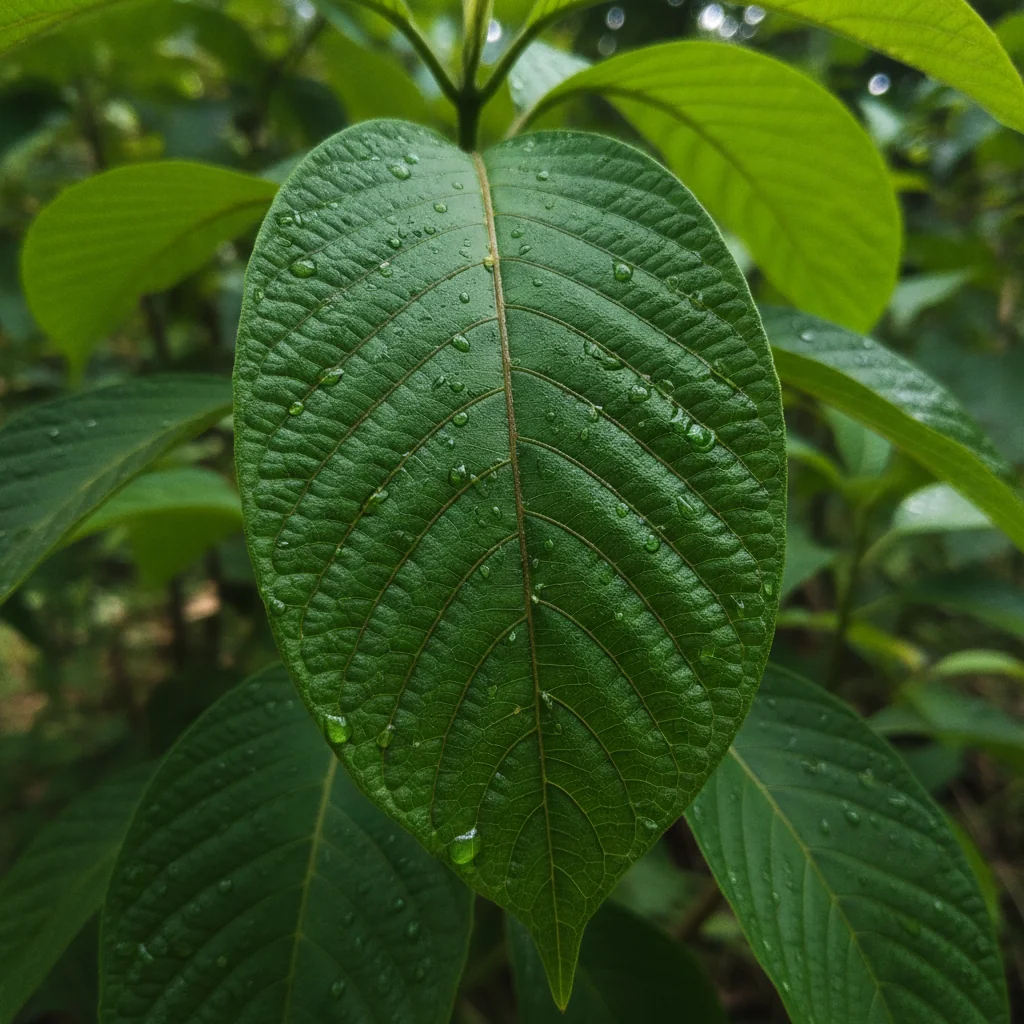
Every kratom strain name is doing one of two jobs. It is describing the vein, or it is describing the place.
Vein colour refers to the colour of the stem and the central vein running through the leaf when it is picked. Growers sort leaves by this at harvest. Red, green and white are the three primary classifications. Gold and yellow are usually the result of a processing method rather than a distinct leaf at harvest, which we cover further down.
Region refers to where the tree was grown, or in some cases where the trading name originated. Bali, Borneo, Sumatra, Malay, Indo, Thai, Vietnam and Hulu Kapuas are all geographic. Confusingly, a strain called “Bali” is often grown in Kalimantan on Borneo rather than on Bali itself, because Bali was historically the export port rather than the growing region.
Then there is Maeng Da, which is neither. It is a Thai phrase used as a grading term, and we deal with it in its own section below.
If this is your first time buying, our complete guide to kratom and its strains covers the plant itself before the naming conventions, and the full shop lists everything we hold in stock.
Key Highlights
- All kratom comes from one species, Mitragyna speciosa.
- Vein colour is assigned at harvest by the colour of the leaf stem and central vein.
- Regional names describe growing area or historic trade route, not a different plant.
- Gold and yellow classifications generally come from drying or fermentation choices.
- No industry body standardises these names, so the lab report matters more than the label.
Want to see the full range while you read?
Green Vein Kratom in Canada: Super Green Malay and Green Maeng Da
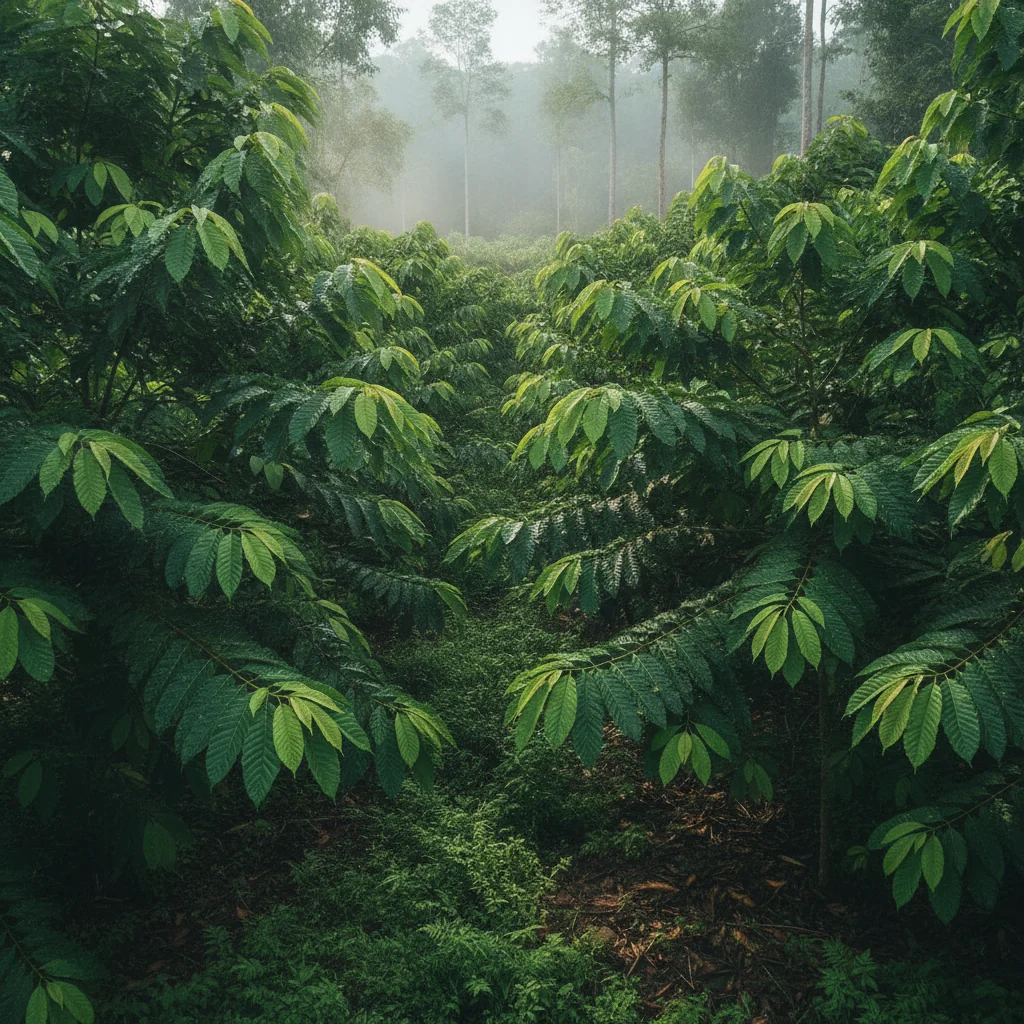
Green vein leaf is harvested partway through the tree’s maturity cycle, between the point where white vein leaf is taken and the point where the vein has darkened to red. After picking, green vein leaf is most often shade dried indoors or in partial light rather than in full sun.
It is the most commonly requested vein colour on our storefront, and the category where the naming gets busiest. Our green vein kratom range in Canada currently includes:
- Super Green Malay Kratom, from Malaysia. “Super” here is a grading term applied by the farm to larger, later picked leaf. It does not indicate a separate strain.
- Green Maeng Da Kratom, produced through a grafting process associated with Thai growing practice.
- Green Hulu Kapuas Kratom, from the rainforest along the Kapuas River in Borneo, one of the more remote growing regions we source from.
If you want the longer background on this vein colour on its own, we have a dedicated breakdown of what green vein kratom is.
Red Vein Kratom in Canada: Red Bali and Red Maeng Da
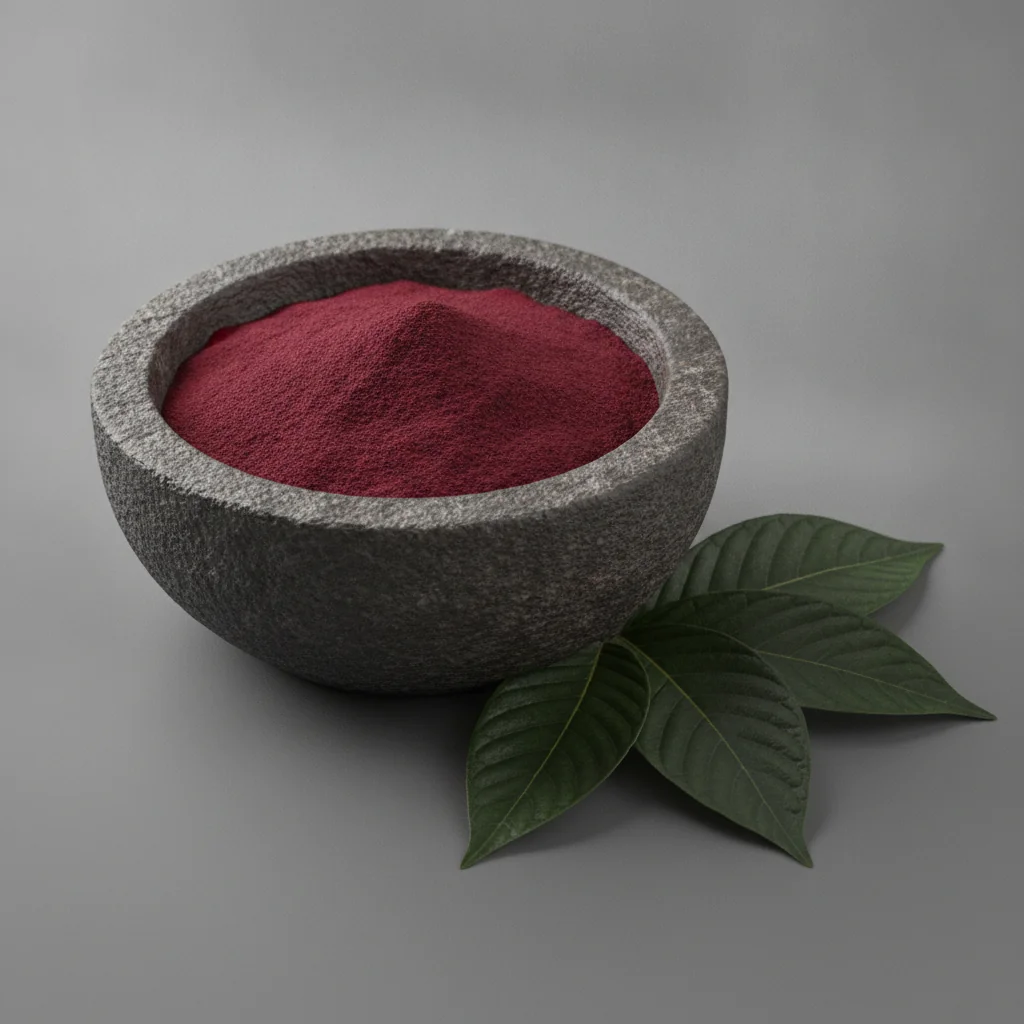
Red vein leaf is picked at the latest point in the maturity cycle, when the stem and vein have turned a deep red. It is the most abundant classification in most growing regions, simply because leaf left on the tree longest is easiest to harvest in volume. Red vein leaf is commonly sun dried after picking.
Our red vein kratom range in Canada covers the two names Canadian buyers search for most, plus a rarer regional option:
- Red Bali Kratom, harvested at full maturity and sun dried. The Bali name reflects the historic export route rather than the growing island.
- Red Maeng Da Kratom, the red vein counterpart to the Maeng Da grading, associated with Thailand.
- Red Hulu Kapuas Kratom, from the same remote Kapuas River region as its green counterpart.
Red Bali and Red Maeng Da are frequently compared against each other. The honest answer is that the meaningful difference is provenance and processing, not a hierarchy of quality. Both are sold here in the same sizes and both carry the same testing.
White Vein Kratom in Canada: White Maeng Da and White Indo
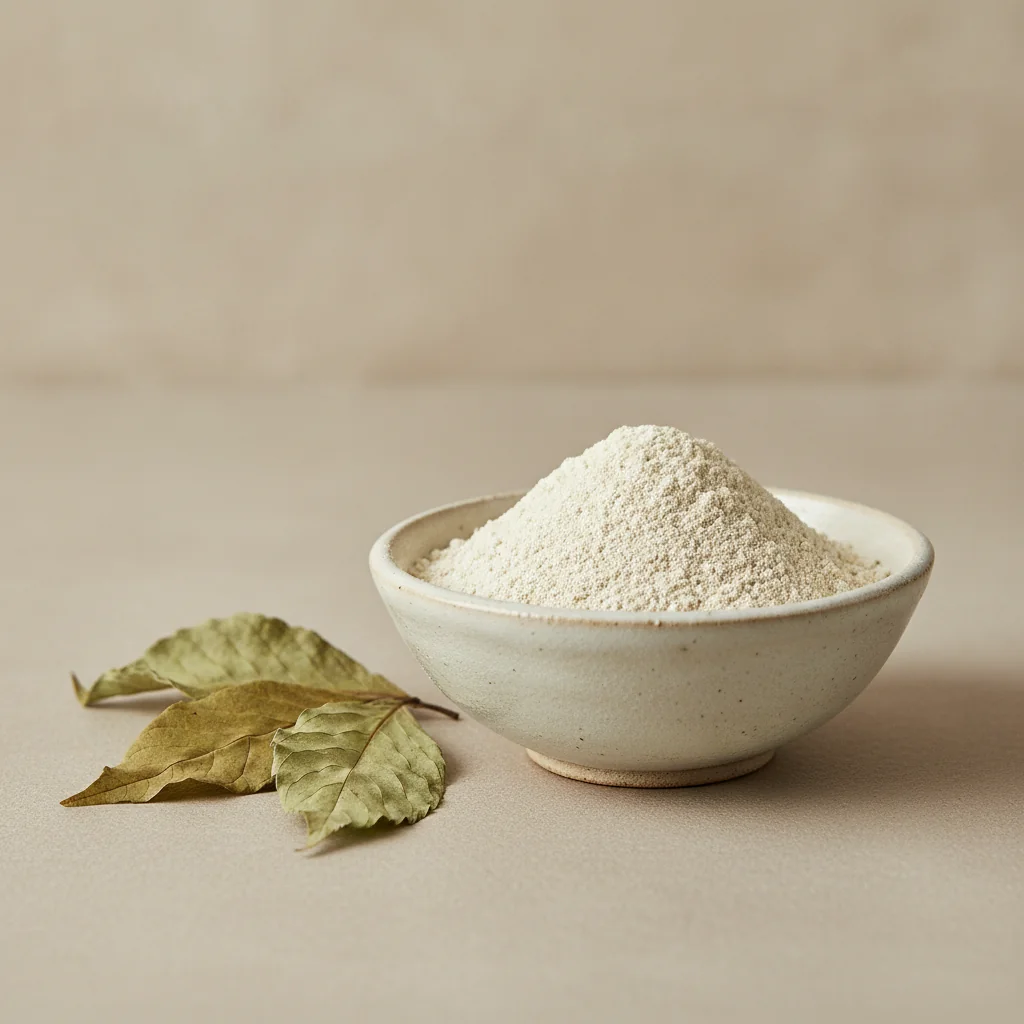
White vein leaf is harvested earliest, while the central vein is still pale. It is generally dried indoors, away from direct sunlight, which is the step most associated with keeping the lighter colour through to the finished powder.
Our white vein kratom range in Canada includes:
- White Maeng Da Kratom, the white vein version of the Maeng Da grading.
- White Indo Kratom, named for Indonesia, the largest kratom exporting country.
- White Borneo Kratom, sourced from the forests of Borneo and dried indoors after harvest.
Maeng Da Kratom in Canada: What the Name Actually Means
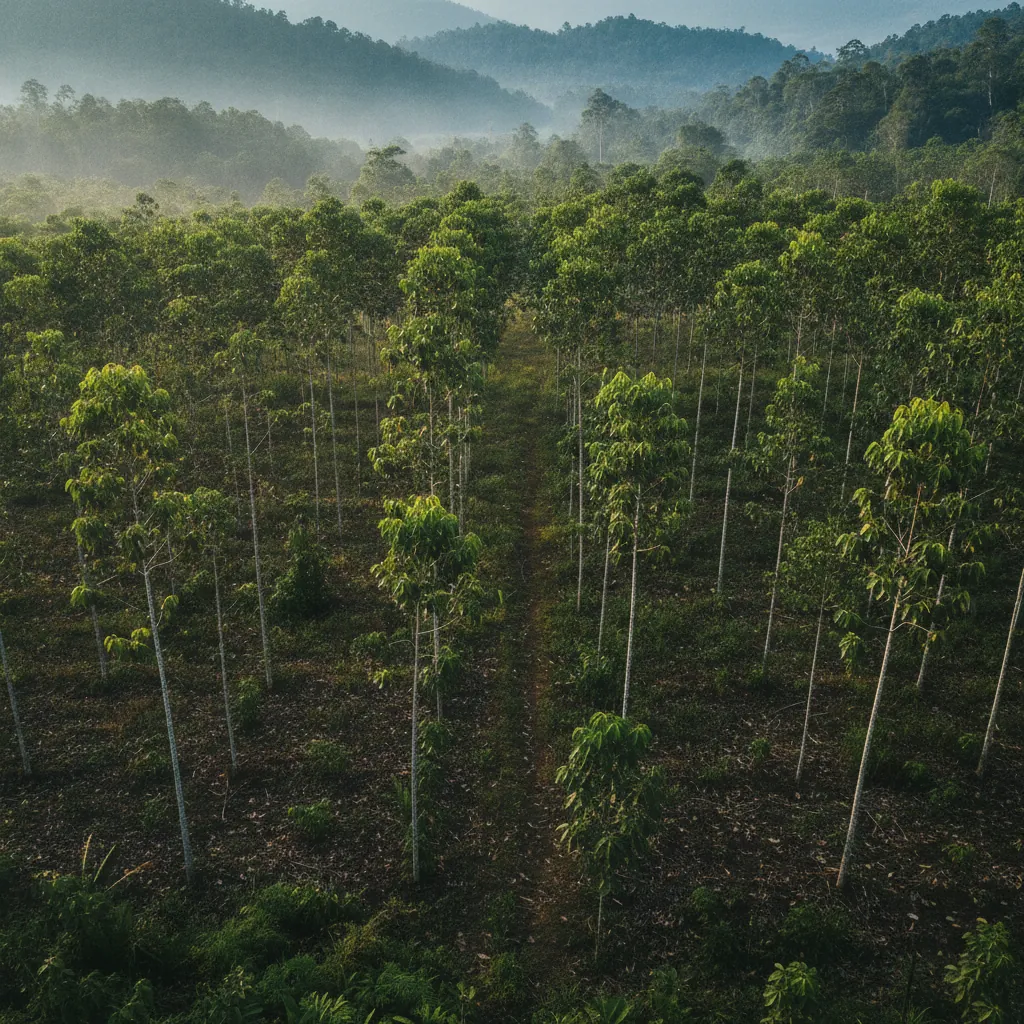
Maeng Da is the single most searched kratom name in Canada, and the most misunderstood. It is a Thai phrase, loosely translating as “pimp grade”, used by growers as an informal quality marker for their better leaf. It was marketing language long before it was a product category.
Because it is a grading term rather than a place, Maeng Da exists in every vein colour. We stock it in green, red and white. It is also frequently associated with grafting, a horticultural technique where material from one tree is joined to another, which growers use to propagate specific stock.
What this means practically for a Canadian buyer: “Maeng Da” on a label tells you the farm considered it a premium selection. It does not tell you the region, the harvest point, or the drying method. Those are the things worth asking about, and they are what our product pages list.
We carry it in all three vein colours: Green Maeng Da, Red Maeng Da and White Maeng Da. There is also a longer piece on Red Maeng Da and where the name came from if you want the history in more depth.
Key Highlights
- Maeng Da is a Thai grading phrase, not a region and not a species.
- It exists in green, red and white vein because grading is separate from vein colour.
- It is commonly linked to grafted growing stock.
- The label alone does not tell you origin or processing, so check the product page.
Malaysian Kratom, Indo and Other Regional Names
Beyond vein colour and Maeng Da, most of what you will see on a Canadian storefront is geography. These are the regional names worth knowing.
Malaysian kratom, usually sold as Malay or Green Malay, comes from Malaysia. You will also see “Super Green Malay”, where Super is the farm’s own grading for larger, later picked leaf from the same crop.
Indo is short for Indonesia, which produces the large majority of the world’s exported kratom. It is a very broad label covering many farms and islands.
Borneo refers to the island shared by Indonesia, Malaysia and Brunei. Much leaf sold under other names is grown here.
Bali is historically a trade name rather than a growing region, for the reasons covered earlier.
Hulu Kapuas names the upper reaches of the Kapuas River in Kalimantan, Borneo. It is one of the more specific and more remote origin names in circulation, which is why it appears less often.
Thai and Vietnam appear as origin names, though export rules in both countries have shifted over the years, so a Thai named strain is frequently grown elsewhere now. We stock Yellow Thai and Yellow Vietnam under those traditional names.
How Processing After Harvest Shapes Gold and Yellow Strains
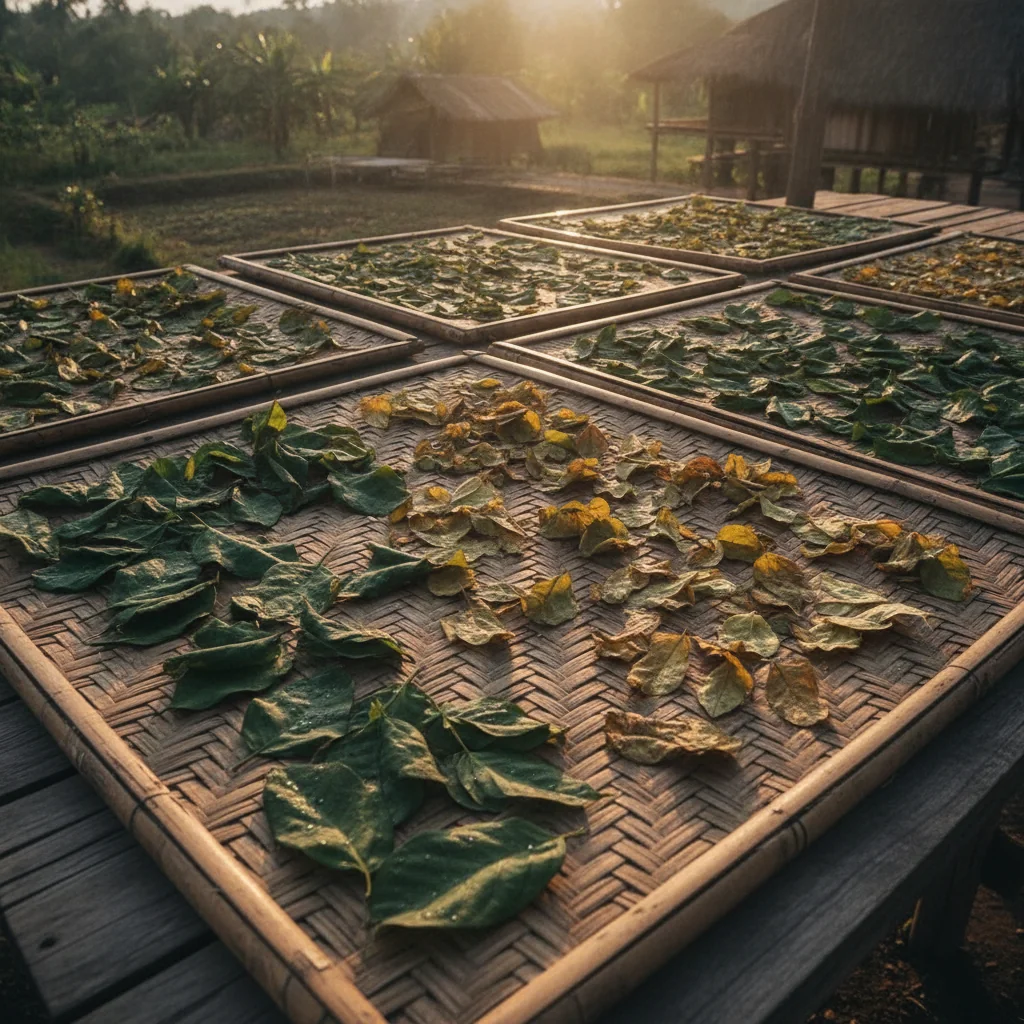
This is the part most strain charts skip, and it is the part that explains the names that do not fit the red, green and white system.
Once leaf is picked, what happens next varies by farm. Leaf can be dried in full sun, in shade, indoors under controlled airflow, or through a longer fermentation stage. Some producers blend batches after drying. Each of these choices changes the colour of the finished powder.
Gold and yellow classifications almost always come from this stage rather than from a gold vein on the tree. A Gold Bali is typically red or green vein leaf that has gone through an extended drying or fermentation process.
This is also why two bags labelled the same way can look different. Kratom is an agricultural product, and colour, texture and scent vary from batch to batch. Our longer piece on how kratom is harvested goes through the stages in more detail.
Kratom Strain Chart: Comparing Vein, Origin and Processing
Here is the range we carry, organised by what can actually be verified rather than by claims about the product.
| Strain | Vein | Origin name | Post harvest processing |
|---|---|---|---|
| Super Green Malay | Green | Malaysia | Shade dried |
| Green Maeng Da | Green | Thai grading, grafted stock | Shade dried |
| Green Hulu Kapuas | Green | Kapuas River, Borneo | Shade dried |
| Red Bali | Red | Historic Bali trade route | Sun dried at full maturity |
| Red Maeng Da | Red | Thai grading, grafted stock | Sun dried |
| Red Hulu Kapuas | Red | Kapuas River, Borneo | Sun dried |
| White Maeng Da | White | Thai grading, grafted stock | Indoor dried |
| White Indo | White | Indonesia | Indoor dried |
| White Borneo | White | Borneo | Indoor dried |
| Gold Bali | Gold | Bali trade name, grown Borneo | Extended drying |
| Yellow Thai | Yellow | Thailand, now grown Borneo | Extended drying |
| Yellow Vietnam | Yellow | Vietnam, now grown Borneo | Extended drying |
For six of the strains in that table, a supplier lot certificate on our Lab Reports page lists lead, arsenic, cadmium and mercury results alongside E. coli and salmonella checks. You can see the current stock and pricing for all of them in the all strains category, or narrow by vein colour if you already know what you are after.
Prefer to try several before committing to a full bag? The variety packs hold multiple strains in one order, and our separate guide to choosing between the 25g, 250g and 1kg sizes compares them on cost per gram.
What to Check Before You Buy Any Kratom Strain
Because strain names are not regulated, the name on the bag is the least reliable piece of information available to you. These are the four things worth confirming before you order, from us or from anyone else.
Origin. A vendor should be able to say which region the leaf came from. “Indonesia” is broad but acceptable. No answer at all is a warning sign, because it usually means the seller bought from a broker and does not know.
Vein colour at harvest. This should match the product name. If a listing calls something a red strain, the leaf should have been picked at full maturity, not dyed or relabelled after the fact.
Processing method. Sun dried, shade dried, indoor dried or fermented. This is the step that separates two bags with the same name, and it is the detail most storefronts leave out entirely.
Testing. Ask what was tested and by whom. Heavy metals and microbial screening are the two that matter for a raw botanical. A vendor who tests will say so plainly and will not mind being asked.
If a listing cannot answer those four questions, the strain name is decorative. We publish all four on every product page, and if something is not clear you can contact us and ask directly.
Key Highlights
- Confirm the growing region, not just the trade name.
- Check that the stated vein colour matches the harvest description.
- Ask which drying or fermentation method was used.
- Confirm heavy metal and microbial testing before you order.
Buying Kratom Strains in Canada Instead of Ordering From Abroad
A large share of the kratom search results Canadians see are American storefronts. Ordering from them carries costs that are easy to miss until the order is placed.
Cross border parcels can be held or refused at customs, and there is no practical recourse when that happens. Shipping is charged in US dollars, the exchange rate moves against you at checkout, and duties can be applied on arrival. A bag that looked competitively priced on a US site frequently lands at a noticeably higher total.
Return policies are also close to unusable across a border. Sending a package back to the United States for a refund normally costs more than the product is worth.
Buying domestically removes all of that. Our stock is already in Canada, prices are in Canadian dollars, and orders ship through Canada Post. If something is not right, the 30 day return policy applies without an international shipping cost attached to it.
If you are still comparing suppliers, our kratom vendor reviews assess other Canadian sellers on sourcing, testing, pricing and shipping.
Choosing a Size: 25g, 250g and 1000g
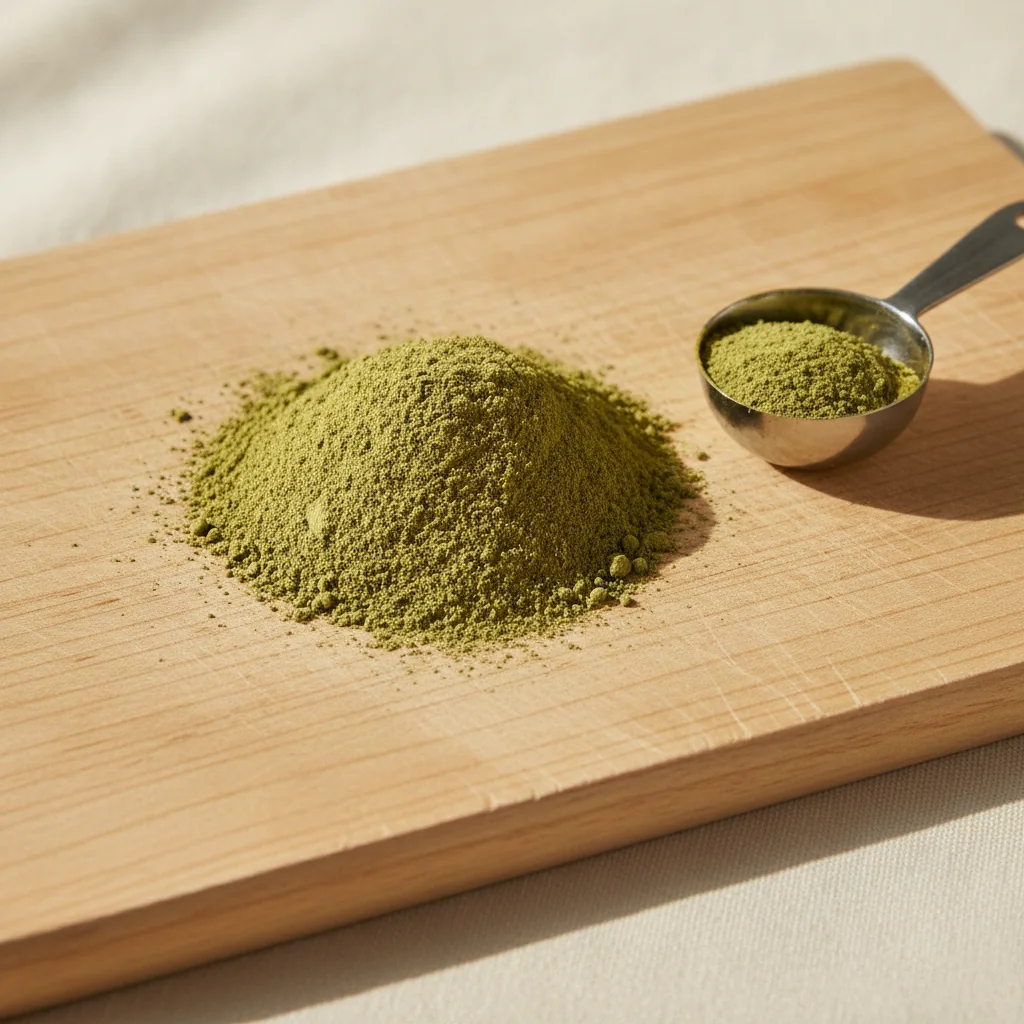
Single strains run from $9.99 to $179.99 CAD depending on size. The practical considerations are cost per gram and how many strains you want to compare at once.
- 25g is the sampling size. It is the sensible choice if you are comparing several strains and do not want to commit to a large bag of any one of them.
- 250g is the mid tier and the most common repeat order.
- 1000g carries the lowest cost per gram.
If your goal is to compare vein colours side by side, the Kratom Sampler Pack holds five 25g bags in one order. For a larger multi strain order, the Kratom Kilo Pack lets you pick four strains at 250g each.
Shipping is free on orders over $50 anywhere in Canada. We accept Interac e-Transfer and Cash on Delivery, orders placed before the daily cutoff are dispatched the same day, and every order is covered by our 30 day return policy.
Compare strains from one order
Every strain listed in this guide is stocked in 25g, 250g and 1000g. Free shipping over $50 across Canada.