
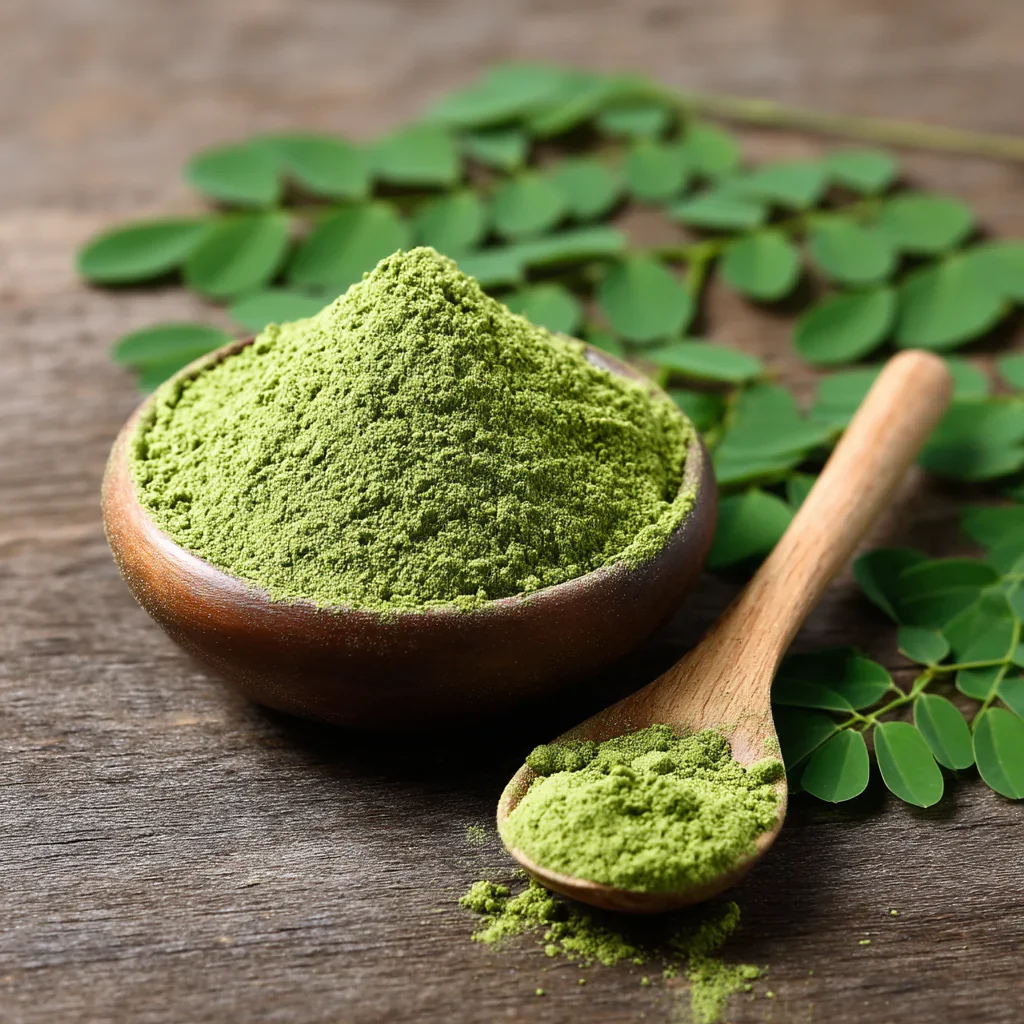
Kratom is sold in Canada by specialist sellers, many of them online, who list it by strain names such as Red Bali, Green Maeng Da or White Borneo. Those names are useful for finding a product again, but sellers do not use them consistently, and they are not a ranking. This guide is a starting point for Canadian buyers: what kratom is, how strain names are put together, the strains we carry grouped by colour family, how to judge a seller, and how to store what you buy.
Here’s what we’ll cover:
- How strain names are built from a colour and a place or grade
- The red, green, white and yellow/gold strains we currently carry
- What to look for in a Canadian kratom seller
- How to choose a bag size and store your powder
- Where to read more on lab reports, shipping and the law
If you want one strain explained in depth first, our guide to Green Maeng Da powder is a good example of what a single name can and cannot tell you.
Kratom in brief
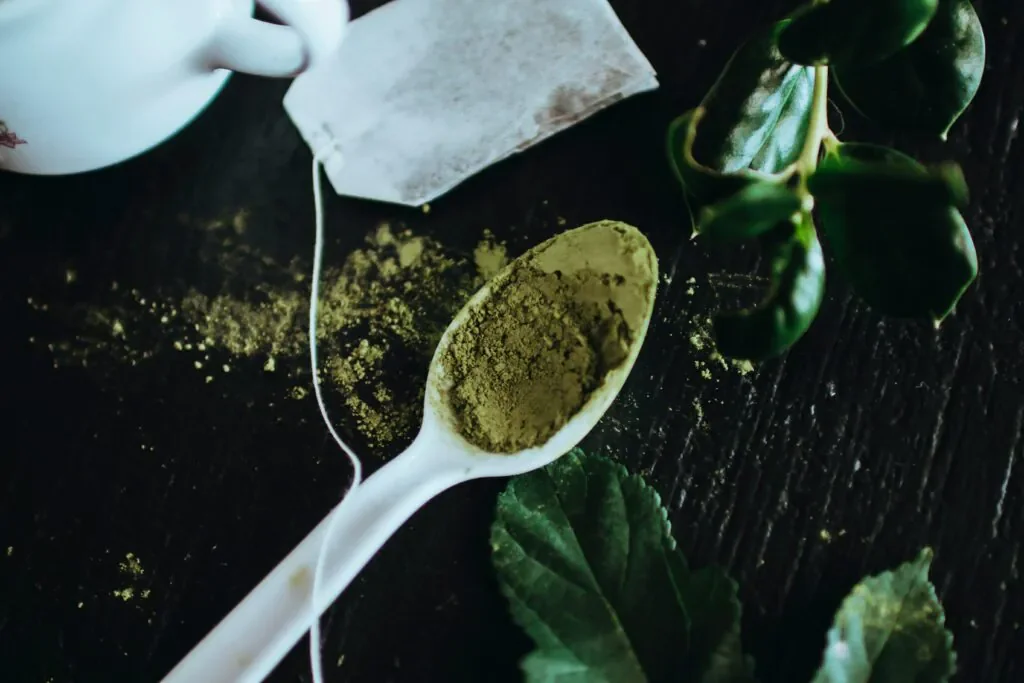
Kratom is the common name for Mitragyna speciosa, a tropical tree in the coffee family, Rubiaceae, whose native range runs from Thailand and Malaysia through Indonesia and the Philippines to New Guinea, according to University of Florida extension scientists. The European Union Drugs Agency’s 2015 kratom profile says kratom products are usually supplied as crushed or powdered dried leaf, and that leaf sold online abroad was thought to come most likely from Indonesia.
Formats you will see from Canadian sellers:
- Leaf powder: the format we sell, in bags from 25 g samplers up to 1 kg.
- Capsules: powder in capsule shells, which the EUDA profile also mentions; we do not sell them.
- Crushed leaf: dried leaf that has not been milled to a fine powder.
- Extracts: concentrated products; a 2025 Frontiers in Plant Science paper notes that liquid extracts and resins usually contain high, sometimes excessive, alkaloid concentrations.
The legal position in brief: Health Canada stated in a 2018 advisory that it had not authorized any kratom product for sale as a health product, and it warned the public about the plant’s risks. Our kratom is listed for research, botanical and aromatherapy use only. For the full picture, see Is Kratom Legal in Canada? A Complete Guide.
How strain names are built
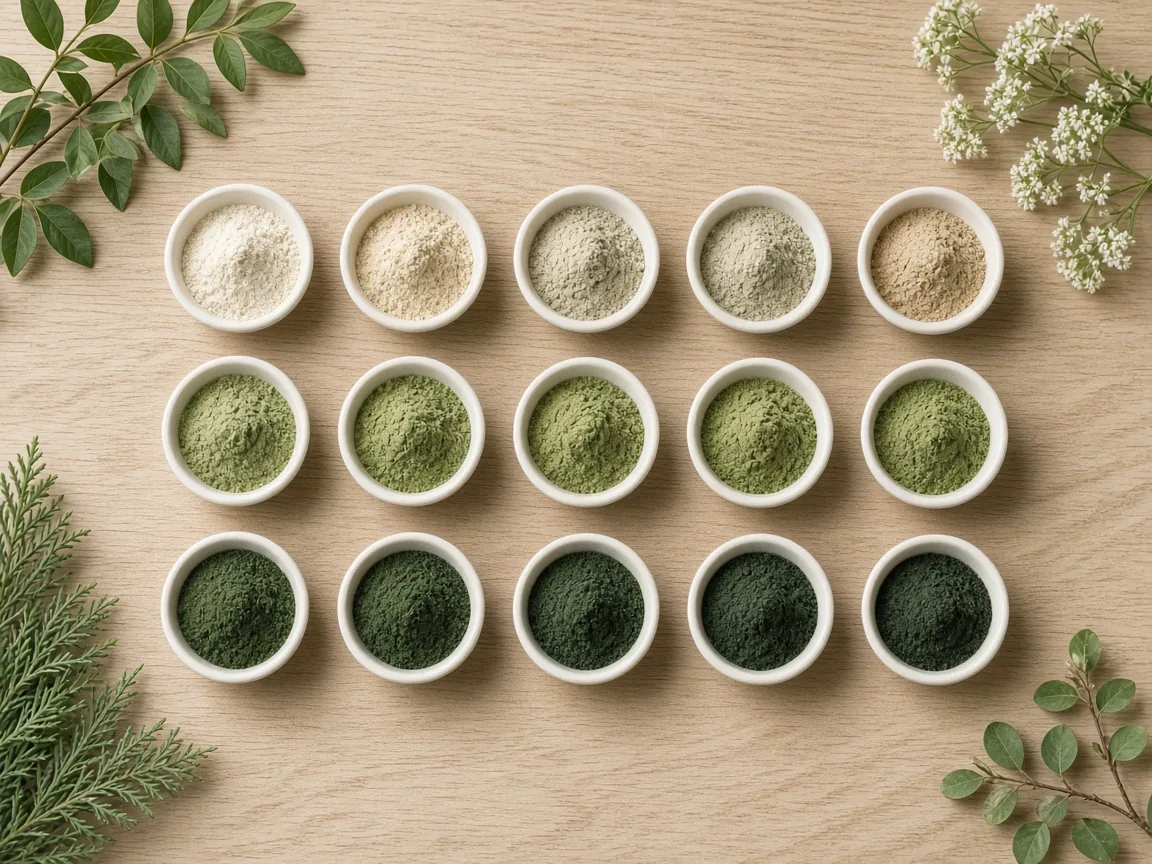
Most strain names combine two parts: a colour family and a place or grade name. Knowing which is which makes any catalogue easier to read.
The colour part
- Red, green and white are the vein colours that UF/IFAS lists as most commonly observed, linked to the leaf’s developmental stage. Sellers often describe white as the youngest leaf and red as the most mature; that is a trade description rather than an established rule.
- Yellow and gold are used by sellers for powders processed or blended to a warmer shade; they are not among the vein colours UF/IFAS lists.
In practice, the colour on a label usually describes the finished powder. The 2025 Frontiers study found that leaves from one batch dried at 25 °C stayed green while those dried at 60 °C turned reddish, so drying can affect colour as well as the leaf.
The place or grade part
- Region names: Borneo, Bali, Hulu Kapuas, Indo, Malay, Thai and Vietnam point to a place or trade origin, which may or may not be where the leaf grew.
- Grade names: sellers use Maeng Da and “Super” for what they present as selected leaf; none of the sources we reviewed describes a common standard behind them.
- Blend names: sellers also create their own named blends, such as our Energy, Focus and Relax blends.
Picking a strain to start with
We found no independent evidence that would support ranking one strain as “best.” A 2023 paper in the International Journal of Environmental Research and Public Health set the lab results of six products from a single brand side by side, each with a different strain name, and the alkaloid content did not differ significantly between them. The sample was small, a single brand, so it cannot show that every strain is the same; it does show why the name alone is a thin basis for choosing. What you can compare are the facts behind each listing:
- Origin statement: a named region or exporter is more informative than a country alone.
- Lab certificate: a report number, a date and results printed next to their limits.
- Batch number: on the bag, so the certificate can be matched to what you received.
- Format and size: start small, with a 25 g bag or a sampler, before buying larger amounts.
- Packaging: sealed, labelled bags rather than repacked powder.
- Seller terms: shipping, returns and payment set out plainly on the seller’s own site.
Weighing these points will tell you more about a product than its name or its position on any “top strains” list.
The strains we carry, by colour family
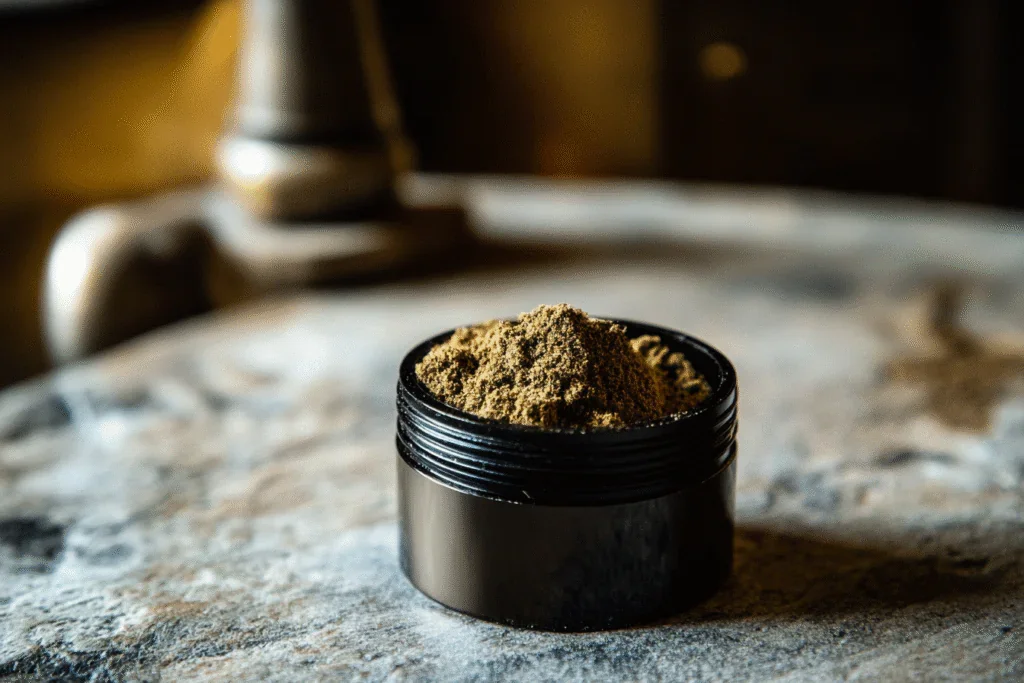
This is our full current line of single strains and blends, grouped by colour family. Every single strain and blend comes in bags from 25 g up to 1 kg, and six of them have supplier lot certificates on our lab reports page. For a deeper side-by-side comparison of names, origins and processing, see our kratom strains comparison guide.
Greens on our shelf
Green Hulu Kapuas: named for the Kapuas River region of West Kalimantan, on Borneo. Supplier lot certificate posted.
Green Maeng Da: a green powder sold under the Thai grade name Maeng Da. Supplier lot certificate posted.
Super Green Malay: a green powder our listing describes as “Malay lineage”; our Super Green Malaysian guide explains why the name is not proof of Malaysian origin.
Reds on our shelf
Red Hulu Kapuas: the red counterpart to Green Hulu Kapuas, from the same Kapuas-region naming. Supplier lot certificate posted.
Red Bali: a red powder under the long-standing Bali trade name. Supplier lot certificate posted.
Red Maeng Da: a red powder in the Maeng Da line.
Whites on our shelf
White Borneo: a white powder whose listing names Borneo, Indonesia.
White Maeng Da: a white powder in the Maeng Da line. Supplier lot certificate posted.
White Indo: a white powder of broad Indonesian origin.
Yellow, gold and blended powders
Gold Bali: a gold-finished blend, as our listing describes it. Supplier lot certificate posted.
Yellow Thai and Yellow Vietnam: yellow-finished powders named for Thailand and Vietnam.
Energy Blend, Focus Blend and Relax Blend: our own named blends, sold in our yellow and gold bag line. The blend names are product labels, not descriptions of effects.
If you would rather try several before committing, the sampler pack lets you pick five strains in 25 g bags, and the kilo pack combines four 250 g bags. Every product is on the all strains page.
Choosing where to buy
Many Canadian kratom sellers operate online, and their standards vary. Before you order from anyone, check that the seller ships from within Canada, publishes lab certificates you can match to a batch, sets out its shipping, returns and payment terms clearly, and avoids health claims. Our vendor reviews look at other Canadian sellers, and our guide to reading lab reports explains what each certificate line means.
Ordering from Kratom Canada
Here is what you can expect when you order from us, taken from our published policies:
- Range: eleven single strains, four blends (Gold Bali and our three named blends) and two variety packs, in bags from 25 g up to 1 kg.
- Lab certificates: supplier lot certificates for six products, issued by an independent laboratory, on our lab reports page. For anything else, quote the batch number from your bag in an email to support@kratomcanada.com and we will reply with the records we hold for that batch.
- Shipping: Canada-only delivery from our Canadian warehouse; orders placed Monday to Friday before 12 PM Pacific (3 PM Eastern) are dispatched that day with tracking by email, and Expedited post is free from $50.
- Paying and returning: pay by Interac e-Transfer, or in cash or by card to Canada Post on delivery (a $10 COD fee applies). Unopened items can come back within 30 days and are exchanged or credited to your account. Our shipping and returns policy and help centre have the details.
Not sure how much to order? Our pack size guide walks through the bag sizes.
Keeping kratom fresh at home
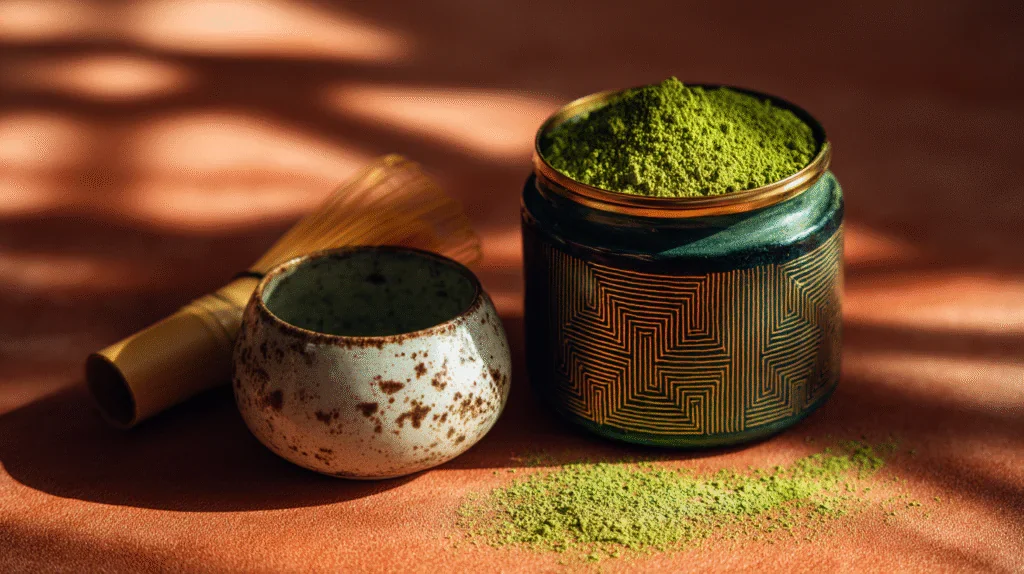
Light, heat, moisture and air all work against a stored leaf powder. A few practical habits we suggest:
- Block the light: use an opaque jar or the original sealed pouch, stored in a cupboard rather than on a sunny shelf.
- Keep it cool and steady: room temperature or a little below, away from stoves, heaters and windows.
- Stay dry: airtight containers, ideally with a food-safe desiccant pack, and never in a bathroom or beside a kettle.
- Limit air: close the container promptly and, for larger bags, divide the powder into smaller containers so most of it stays sealed.
If a powder smells musty or shows visible spots, don’t use it. Some difference in shade between two bags is expected with a plant product.