
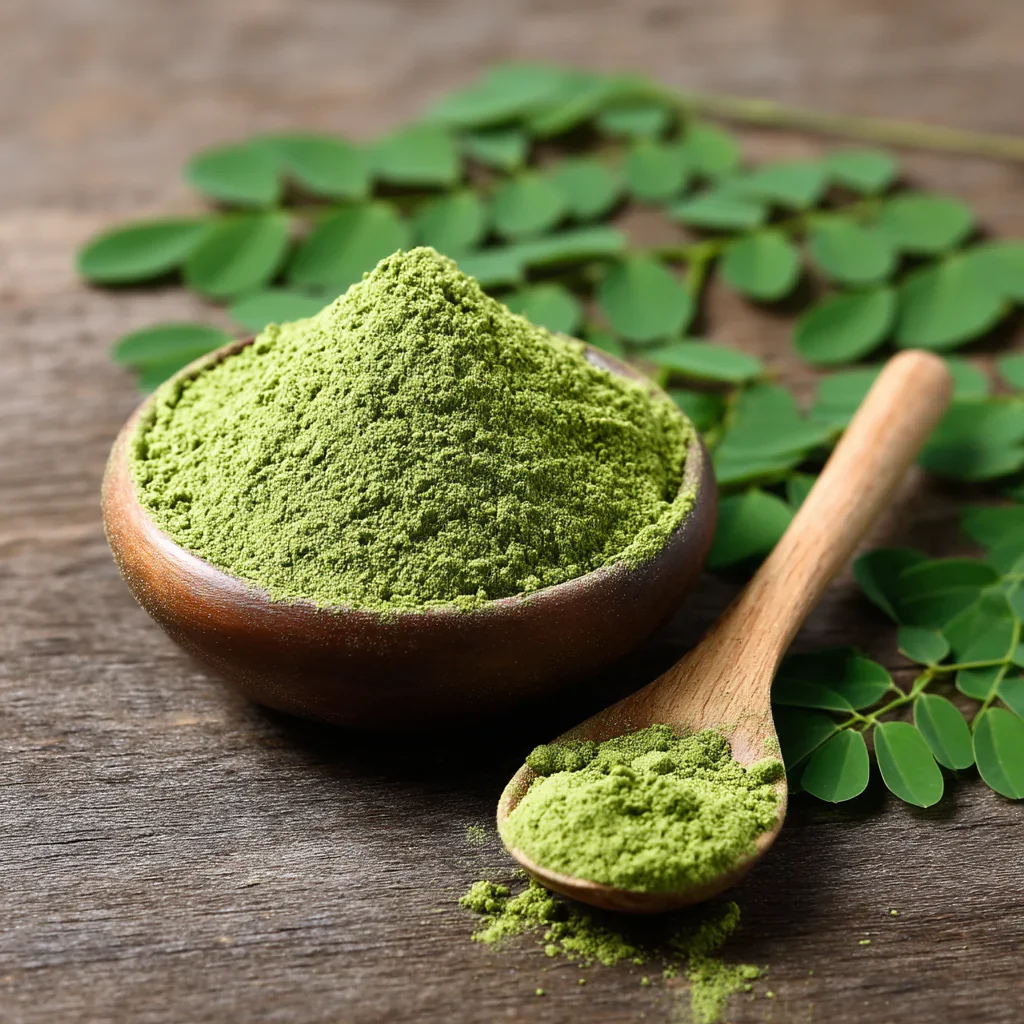
Super Green Malaysian, often shortened to Super Green Malay, is a kratom name used by Canadian sellers, ours included. Each of its three words makes a different kind of claim: one sounds like a grade, one is a colour, and one names a country. This guide takes the name apart word by word, sets out what the sources we reviewed can and cannot confirm about origin, and explains why this page does not cover benefits or dosage.
If you already know the background and want the product, our Super Green Malay listing has current sizes and prices.
Three words, three different kinds of claim
| Word | Kind of claim | What the sources we reviewed establish |
|---|---|---|
| Super | A grade or selection word chosen by the seller | No common grade or definition |
| Green | The colour family of the finished powder | Colour can reflect drying as well as the leaf |
| Malaysian / Malay | A regional or trade name | The name alone does not show where a lot grew |
“Super”
Sellers use “super” to suggest selected or larger leaves, and they do not all mean the same thing by it. None of the sources we reviewed describes an established grade or test behind the word, so treat it as part of a product name and judge the lot by its documents instead.
“Green”
Green is a colour family. University of Florida extension scientists list red, white and green as the most common vein colours and link them to the leaf’s developmental stage, while a 2025 study in Frontiers in Plant Science points out that the colour on a Western label is usually based on the powder rather than the vein. In that study, leaves dried at 25 °C stayed green, while leaves from the same batch dried at 60 °C turned reddish. A green powder can therefore reflect how it was dried as well as the leaf it came from.
“Malaysian”
The country in the name is the word most worth unpacking, and the next two sections explain why.
Ketum: what older sources record about Malaysia
In Malaysia the tree is called ketum or biak-biak, names listed in the European Union Drugs Agency’s kratom profile (published in 2015). A 2015 review in BioMed Research International describes a tradition in northern peninsular Malaysia and southern Thailand of farmers and labourers chewing fresh leaves or drinking leaf tea during hard physical work.
Both sources, as of 2015, recorded kratom as controlled in Malaysia: the review under the Poisons Act 1952, the EUDA among countries that control it under narcotic law. These are dated sources, and we have not reviewed current Malaysian law for this page, so read them as history rather than as a statement of today’s rules.
The same EUDA profile summarizes older chemical studies in which Malaysian varieties had mitragynine at a much smaller share of total alkaloids than Thai varieties. That describes the plants studied at the time, not anything sold today under the Malay name.
What a “Malay” label can and cannot tell you about origin
A trade name is not a shipping address, and no general report can tell you where a particular lot grew. The EUDA’s 2015 profile says kratom sold online abroad was thought to come most likely from Indonesia, and Indonesia has since set export standards for microbial contamination, heavy metals and adulteration, according to ANTARA. Those are general observations about the trade; they do not establish the origin of any specific bag, whatever its name.
Regional words also travel as plant names. The Frontiers study above worked with a cultivar called ‘MR-Malaysian’ alongside one called ‘Hawaii’, a reminder that a place word can end up as the name of a plant line.
Our own product listing describes Super Green Malay as a green-vein powder in the “Malay lineage” from Southeast Asian growing regions. That is a listing description, not a verified genetic or origin record, and we do not claim that a particular lot was grown in Malaysia.
Benefits, effects and dosage: what this page will not tell you
We do not publish a dosage chart or a list of effects, for three reasons.
- The product is not sold for consumption. Our kratom is listed for research, botanical and aromatherapy use only. In a 2018 advisory, Health Canada said no kratom product was authorized for sale as a health product.
- Health Canada has flagged risks. The same advisory lists side effects including drowsiness, nausea, vomiting, seizures, liver toxicity and a rapid heartbeat, along with potential for abuse and dependence.
- A strain name is limited evidence. A 2023 study in the International Journal of Environmental Research and Public Health compared lab certificates for six products from one brand sold under different strain names and found no significant differences in their alkaloid content. That is one brand and six products, so it does not show that all strains are alike, but it is a reason not to rely on the name alone.
If a seller promises specific effects from Super Green Malay, ask what evidence sits behind that claim. Our guide to kratom’s legal status in Canada explains the regulatory side in more detail.
Super Green Malay at Kratom Canada
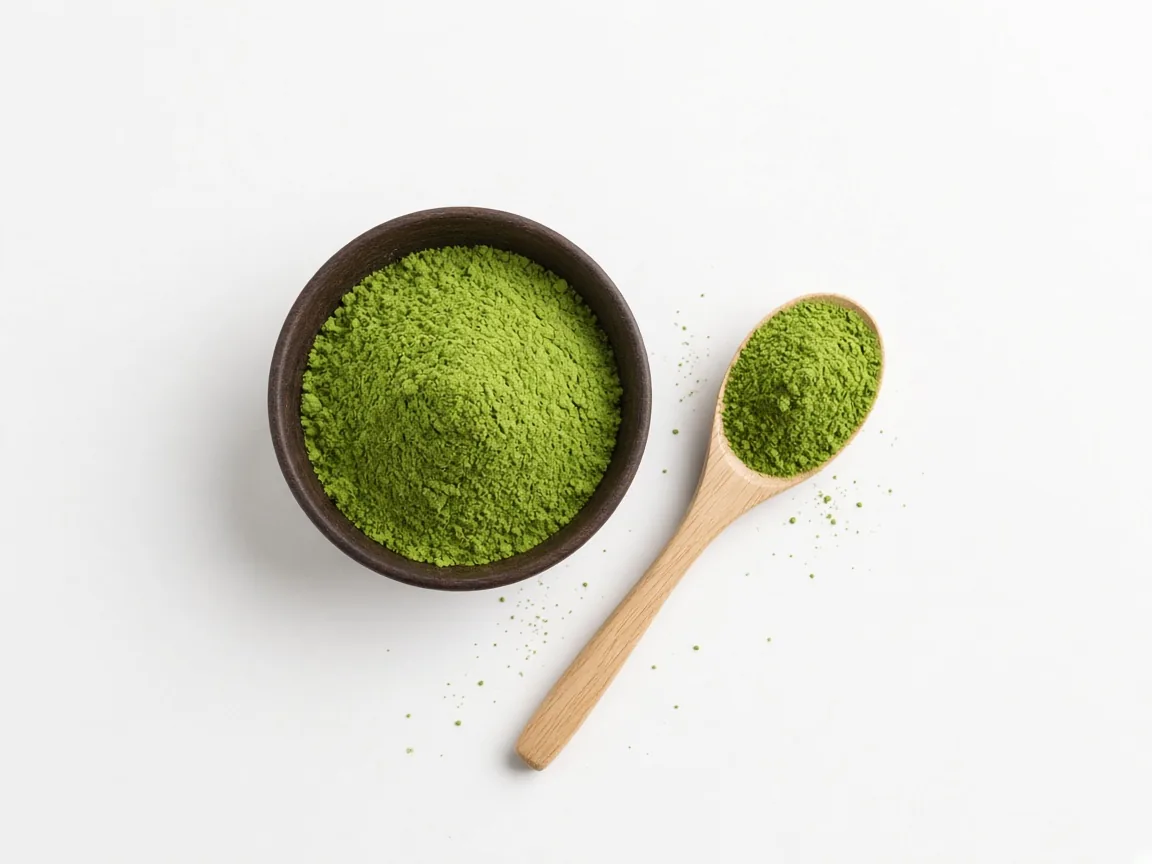
Our Super Green Malay is listed in the green kratom range beside Green Maeng Da and Green Hulu Kapuas, in bag sizes from 25 g up to 1 kg. Here is what you can and cannot check before ordering:
- Lab certificate: no report for Super Green Malay is posted on our lab reports page yet, so there is no public certificate to verify. Until one is posted, our lab testing page explains that you can send the batch number printed on your bag to support@kratomcanada.com and we will let you know what we have on file for it.
- Comparing greens: Green Maeng Da and Green Hulu Kapuas do have posted supplier lot certificates, so you can compare the paperwork as well as the names. The sampler pack lets you choose five strains in 25 g bags.
- Shipping: parcels go out from our Canadian warehouse to Canadian addresses only, the same day for weekday orders placed by noon Pacific time, and standard Expedited post costs nothing on subtotals of $50 and up. Carriers, timings and returns are on our shipping and returns page.
- Payment: checkout accepts Interac e-Transfer or cash on delivery through Canada Post; details are in our help centre.
For a side-by-side view of how Malay, Maeng Da, Bali and other names are used across our catalogue, see our kratom strains comparison guide, and for more on the green family as a whole, read what green vein kratom is.
Storing a green powder
Light, heat and moisture all work against a stored leaf powder. We suggest an airtight, opaque container in a cool, dry cupboard, away from steamy rooms, resealed straight after opening. Some difference in shade between two bags is expected with a plant product.