
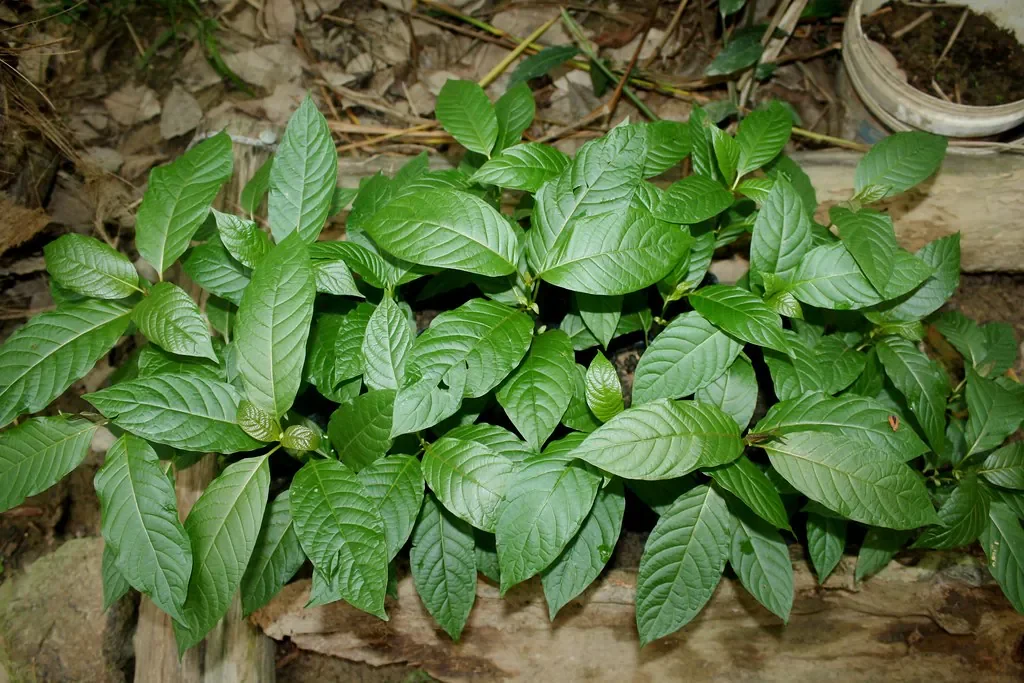
Kratom is the common name for Mitragyna speciosa, a tropical tree in the coffee family (Rubiaceae). This page covers the plant and its background, dried-leaf formats described in published sources, a brief note on its chemistry, safety and regulatory cautions on the Canadian public record, and how commercial “strain” names relate to what you can verify on a product page.
For the products we currently carry, see Kratom Strains in Canada. For reading colour and place-style words on charts, see the strain chart guide.
The plant
University of Florida / IFAS extension scientists describe Mitragyna speciosa as a member of Rubiaceae (the coffee family) and as native to Southeast Asia, with a distribution that includes central and southern Thailand, north peninsular Malaysia, Sumatra, Borneo, the Philippines and New Guinea, and reports from Vietnam and Myanmar. In its native range it grows in wet tropical settings near swamps, wetlands or marshy river edges.
IFAS, citing ethnopharmacology literature including Cinosi and colleagues (2015), records traditional leaf chewing in Thailand and boiled-leaf beverages in Malaysia. That background explains why the plant is familiar in producer regions. It is not a Canadian health claim, and traditional use is not evidence that a packaged powder is safe or authorized as a medicine here.
Dried-leaf formats
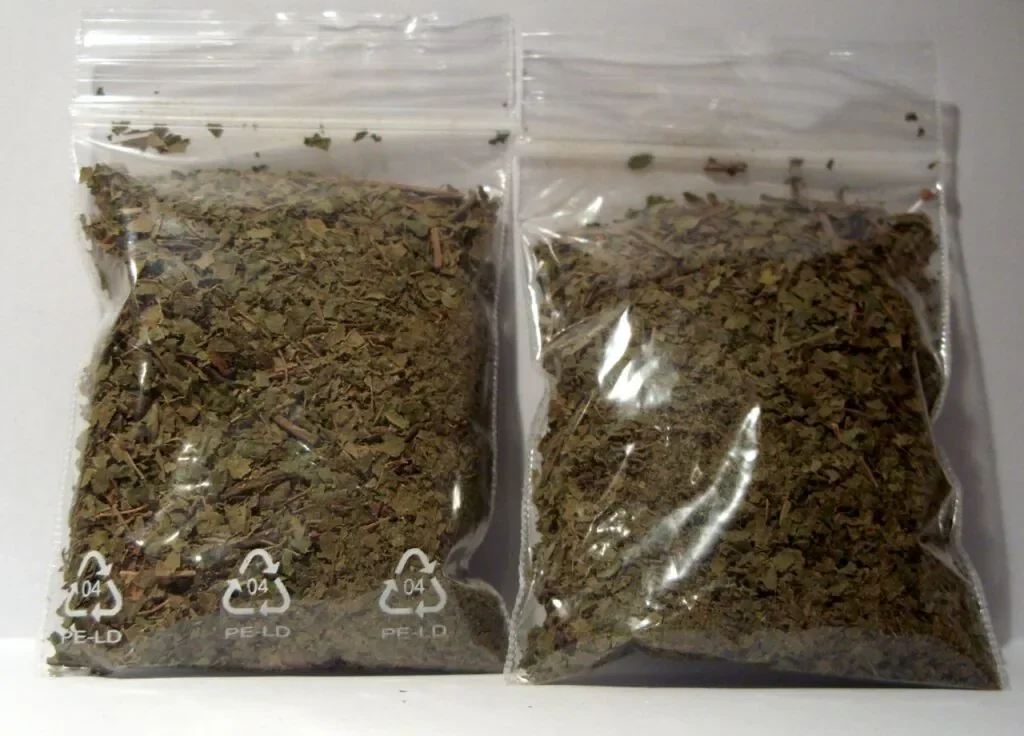
A 2025 paper in Frontiers in Plant Science states that in Western countries kratom is most commonly available as dried, ground leaf powder, oftentimes encapsulated or tableted, and that liquid extracts, resins and soft gels usually contain high or sometimes excessive alkaloid concentrations. The European Union Drugs Agency’s 2015 kratom profile likewise discussed dried leaf sold in shops and over the internet, thought most likely to originate in Indonesia (“Bali kratom”).
On our shop we list dried leaf powder in sealed bags. Other formats exist in the wider market; extract products are outside the scope of this page.
Chemistry in brief
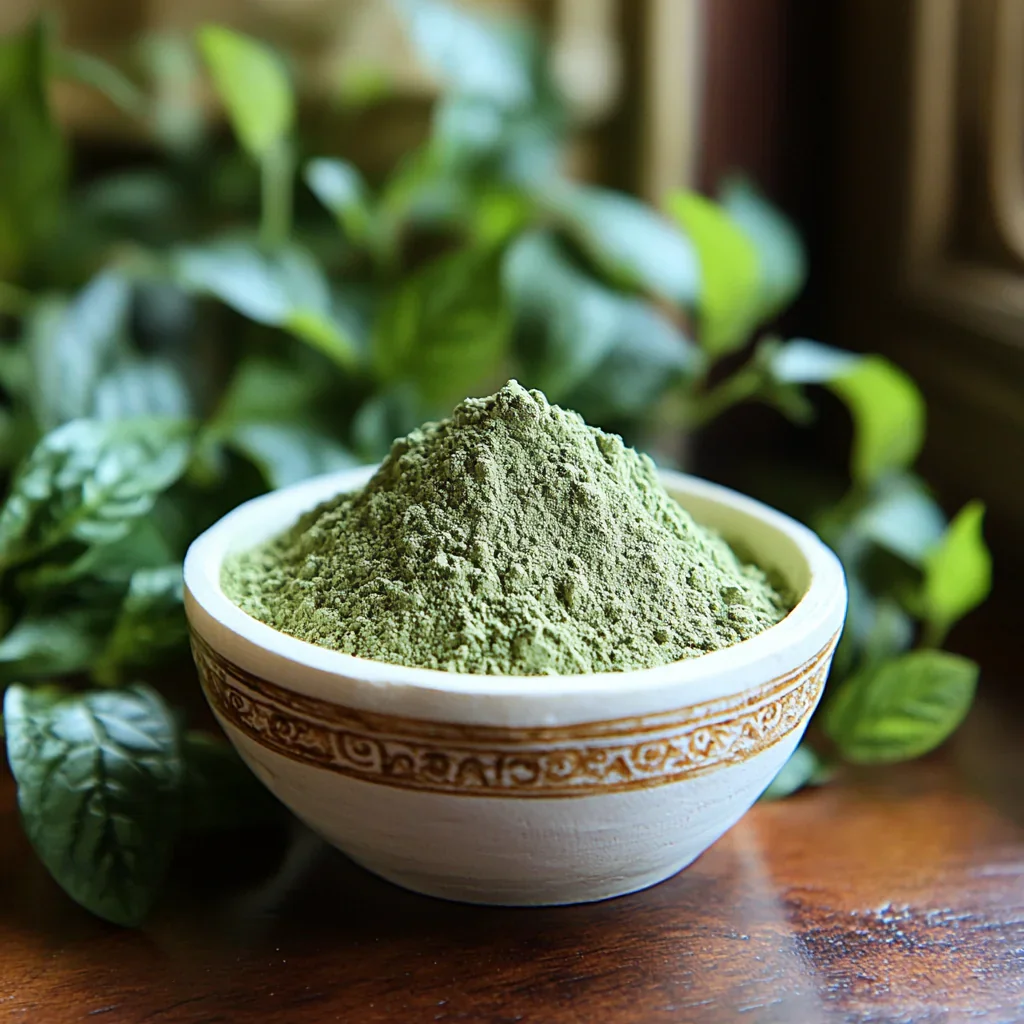
IFAS states that kratom contains more than 40 alkaloids and that mitragynine is the major alkaloid, with published ranges varying widely across material. That is a chemistry outline, not a potency promise for any bag on a shelf. Lot-level certificates, when a seller publishes them, report what was measured in a submitted sample—not a guarantee for every later bag sold under the same strain name.
Safety and regulatory cautions
On May 4, 2018, Health Canada published an advisory after seizing unauthorized “Sāj” kratom products in Edmonton. The advisory states that kratom products are not authorized by Health Canada, that it is illegal to sell any health product in Canada without authorization, and that kratom may pose serious health risks. Listed side effects include drowsiness, nausea, vomiting, seizures, liver toxicity and excessively rapid heartbeat; the advisory also notes potential for abuse and dependence. It states that Health Canada has not authorized the sale of any product containing kratom.
That advisory is a dated public safety notice about unauthorized health-product sale and known risks. Consult current Health Canada guidance for updates. Our listings are framed for research, botanical and aromatherapy use only. For a longer overview on this site, see Is Kratom Legal in Canada?.
Strain names and what you can verify
Shop menus build a readable title from a colour-family word, a place-style or grade-style word, and sometimes a process hint—for example Green Maeng Da, Red Bali or Gold Bali on our shop. A retail name alone is not a botanical identification of variety or cultivar. Read any origin and process notes on the product page, and any lot paperwork that can be matched to the bag you receive, for what that listing actually claims.
Sellers can apply the same short title to different lots, and drying can change finished powder colour within one leaf batch, as the Frontiers study above reported. Colour words help you browse a catalogue; they do not replace documents.
What different documents can show
- Species wording on a label states what the seller claims the material is. It is a claim, not independent laboratory identification of the plant.
- A dated certificate of analysis reports measurements the lab performed on the submitted sample (for example alkaloids, moisture, metals or microbes), within the scope printed on the report. It does not automatically prove every future bag sold under the same strain name.
- A batch or lot code on your bag is what lets you try to match that bag to a published report. Without a matching code, a PDF on a website and the powder in your hand are not shown to be the same sample.
- Ship-from-Canada wording and a reachable support contact speak to fulfilment and customer service, not to botanical identity.
- Powder colour and aroma do not establish origin, strain identity or safety.
Storage
Keep powder sealed, dry and away from heat and direct sun, and follow any guidance printed on the packaging.
Related reading
Name charts: strain chart guide. What we carry: Kratom Strains in Canada. Certificates: lab reports. Dispatch and returns: Shipping & Returns (we ship from our facility in Canada; weekday orders placed before 12 PM Pacific are shipped the same day).