
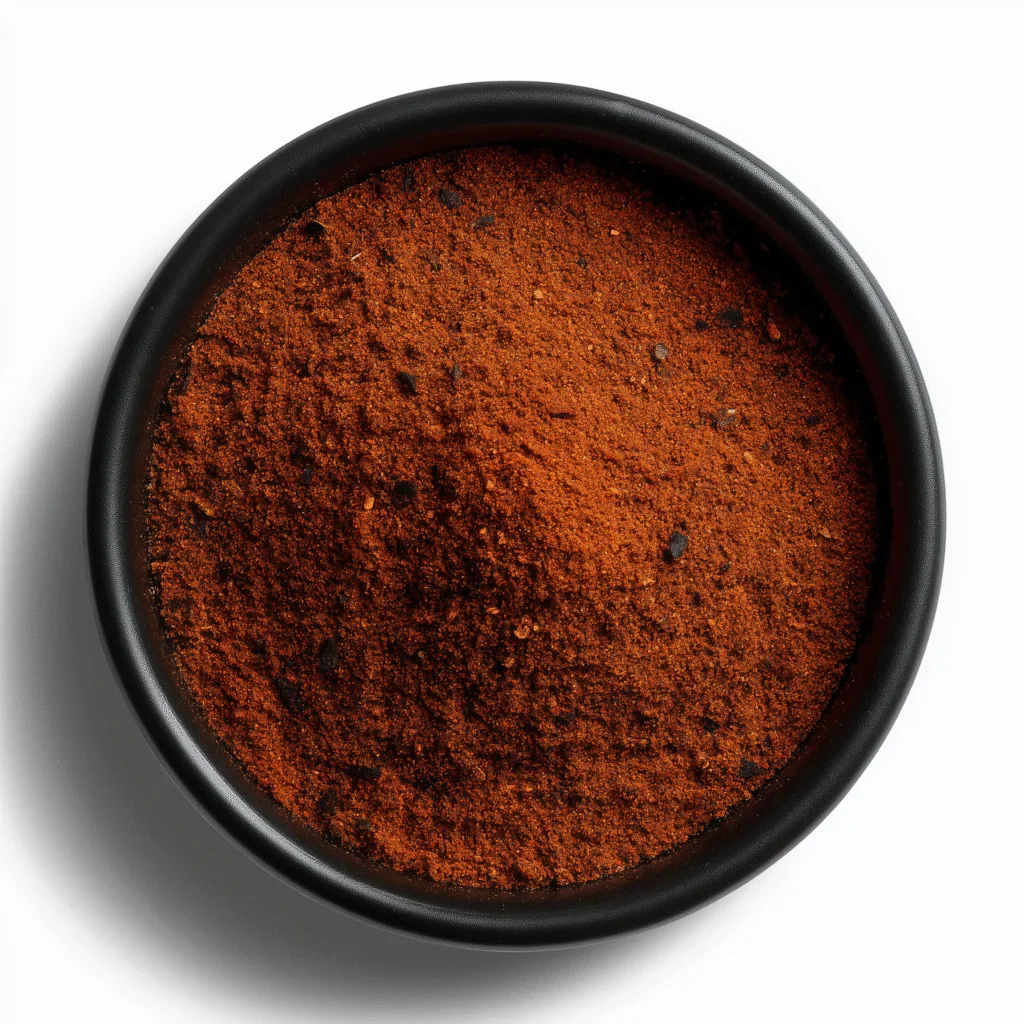
“Red Borneo” on a kratom bag makes two promises in two words: the leaf came from Borneo, and the powder belongs in the red family. Sellers use both words loosely and not always in the same way, and none of the sources we reviewed sets a common definition, so this guide treats the name as a starting point rather than a guarantee. It explains what each half of the label can tell you, what is known about how leaf becomes a red powder, which documents are worth asking for, and how the name compares with the reds we actually carry.
One thing to know up front: Kratom Canada does not currently list a product called Red Borneo. Our closest match is Red Hulu Kapuas, a red powder named for the upper Kapuas River region of Indonesian Borneo, and we explain below how the two names relate.
Decoding the label
“Borneo”: a large island, not a single farm
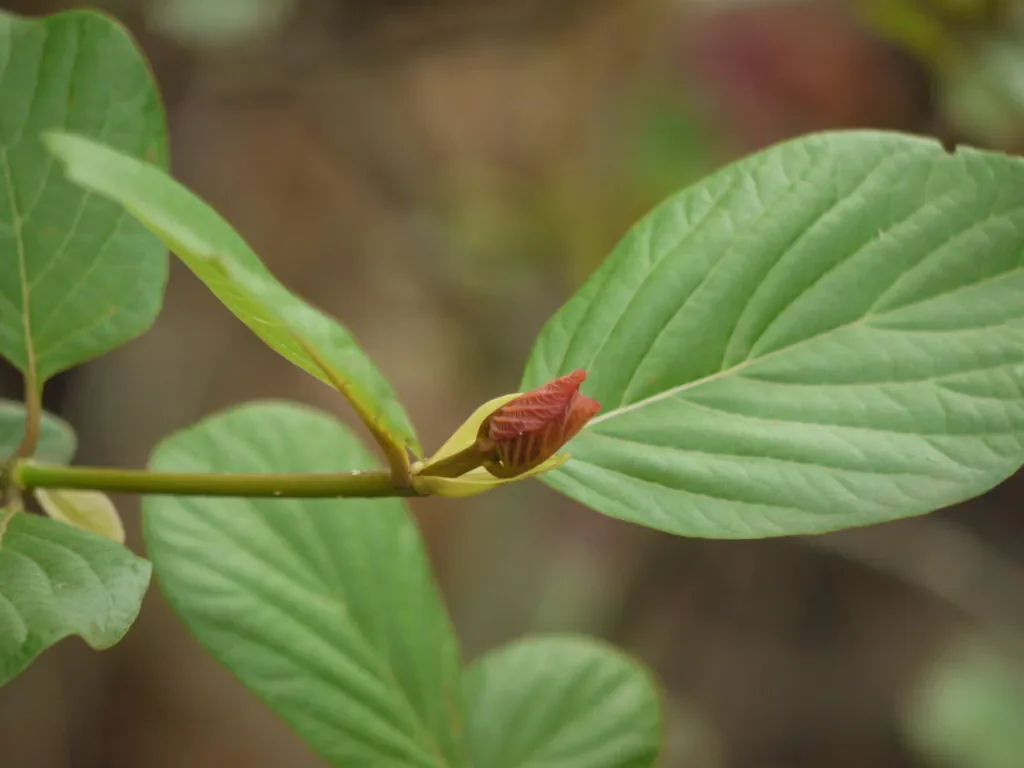
Borneo is a large island divided between three countries: Indonesia (the provinces of Kalimantan), Malaysia (Sabah and Sarawak) and Brunei. University of Florida extension scientists include Borneo in the native range of Mitragyna speciosa, the kratom tree, alongside Thailand, peninsular Malaysia, Sumatra, the Philippines and New Guinea. They describe it as a tree of wet ground, often near swamps and rivers, that can reach about 80 feet in the wild.
For a buyer, “Borneo” narrows things down only so far. When a listing simply says “Borneo,” it tells you the seller’s claimed region, not the farm, the harvest date or the processing.
“Red”: a colour family with more than one cause
The UF/IFAS publication linked above names red, white and green as the most common vein colours on kratom leaves and says they depend on the leaf’s life cycle and developmental stage. Sellers often go further and describe red as the most mature leaf; that is a trade description, and the sources we reviewed do not establish it as a fixed rule.
Processing can affect colour too. In a 2025 study in Frontiers in Plant Science, leaves from the same batch turned into a reddish powder when dried at 60 °C and stayed green when dried at 25 °C. Its authors add that the red, green and white names used by Western sellers are usually based on the look of the powder rather than the vein on the leaf. So the colour of a red Borneo powder may reflect the leaf, the drying, or both, and the bag alone cannot tell you which.
From leaf to red powder: what is documented
Published research says little about commercial processing; the Frontiers authors describe post-harvest practice as largely undocumented. What their study does show is that two steps can change the result:
- Wilting before drying. In their trial, a 12-hour wilting period before drying changed the levels of several alkaloids.
- Drying temperature. As noted above, drying at 60 °C rather than 25 °C turned the powder reddish.
Beyond those two steps, the research we reviewed does not describe commercial practice in detail. If a listing uses process words such as “fermented,” “dark-room dried” or “sun-cured,” they describe what that seller says it does, and none of the sources we reviewed defines them. Ask the seller what the word means for their lot, and rely on the certificate for what was actually measured.
The paperwork behind a Borneo lot
The European Union Drugs Agency’s kratom profile, published in 2015, said leaf sold online abroad was thought to come most likely from Indonesia, and in 2024 the Indonesian government set formal rules for its export trade. ANTARA, Indonesia’s national news agency, reported that exports must meet standards for microbiological contamination, heavy metals and adulteration, and that the rules also define the product types and sizes that can be shipped. We summarize what that means for Canadian supply in our article on Indonesia’s export rules.
For a single bag, the most useful document is a certificate of analysis (COA) from a testing laboratory. A useful certificate names the lab, carries a report number and dates, and lists each result next to the limit applied. On the certificates we post, the lines include moisture, particle size (a sieve check), mitragynine content, metals such as lead and arsenic, and microbiology checks such as E. coli and salmonella. If you have not read one before, our line-by-line guide to lab reports walks through each section. A certificate describes one sample on one date; it does not promise that the next lot will match.
Red Borneo beside the reds we carry
If you came here looking for a red with a Borneo connection, this comparison shows what each name on our red shelf points to and what you can check before ordering.
| Name | What the name points to | What you can check | At Kratom Canada |
|---|---|---|---|
| Red Borneo | The island of Borneo, which spans Indonesia, Malaysia and Brunei | The seller’s origin statement and lot certificate | Not currently listed |
| Red Hulu Kapuas | The upper Kapuas River region of West Kalimantan, on Borneo | Origin statement on the listing; supplier lot certificate | Carried |
| Red Bali | A trade name tied to Bali; not a promise the leaf grew there | Supplier lot certificate | Carried |
| Red Maeng Da | A Thai trade term used as a grade name, not a region | Listing description; no certificate posted yet, so ask about the batch | Carried |
Red Hulu Kapuas is the most direct Borneo-linked red on our shelf, because its name points to a specific river region rather than the whole island. Red Bali and Red Maeng Da are different kinds of name: one is a long-standing trade label and the other a grade term, and we explain both in our guides to Red Bali and Red Maeng Da. You can see every red we carry on the red kratom category page.
Five checks before buying a red Borneo powder in Canada
Whether you buy from us or from another seller, these checks apply to any listing that uses the Red Borneo name.
- Look for a specific origin statement. “Borneo” is broad; a region, district or exporter name is more informative.
- Ask for the lot certificate. Match the report date and report number to the bag, and check each result against its printed limit.
- Check that the bag is sealed and labelled with a batch number. Repacked or unlabelled powder cannot be traced back to a certificate.
- Check where and how it ships. Look at the dispatch location, the cost, the delivery times and the returns policy before you order; ours are on the shipping and returns page.
- Know the health warning. Health Canada’s 2018 advisory reported that no kratom product had been authorized for sale as a health product, and it listed risks including liver toxicity and dependence. Our guide to kratom’s legal status in Canada covers the details.
If you are comparing several Canadian sellers, our vendor reviews look at other shops in the market.
Keeping a red powder in good condition
Red powders are no different from any other leaf powder once the bag is open. We suggest an airtight, opaque container kept away from heat, sunlight and humid rooms, closed promptly after use. Throw out any powder with a musty smell or visible spots; slight shade differences from one lot to the next are expected.