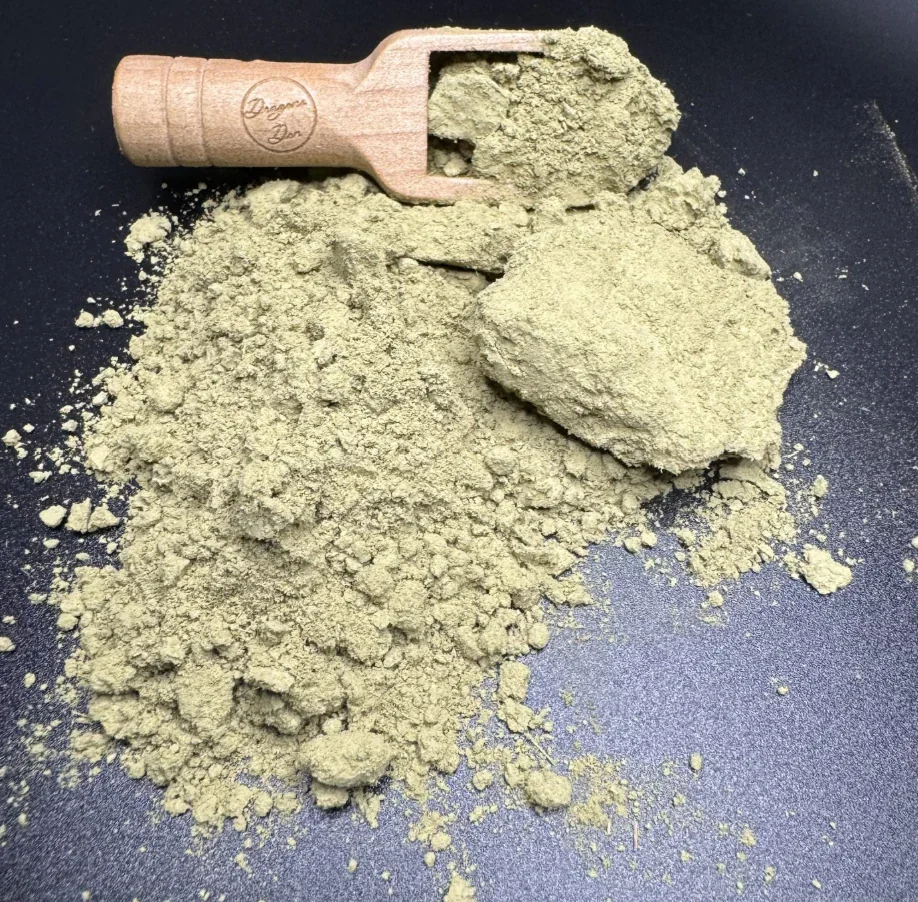
Gold Bali is a kratom name that describes a finish rather than a vein: the “gold” refers to the warm colour of the finished powder, and “Bali” is a trade name that does not, on its own, tell you where the leaf grew. A gold shade can come from how a seller processes the leaf, from blending, or from both, and a label may not say which. That is why the seller’s explanation and paperwork matter more than the name.
This guide explains what the gold label means, what research shows about how processing changes a powder, what to ask about any Gold Bali listing, and exactly what you can check on our own Gold Bali before you order. For background on the wider family of colour names, see our guide to kratom strain names and colours.
What “Gold” and “Bali” actually tell you
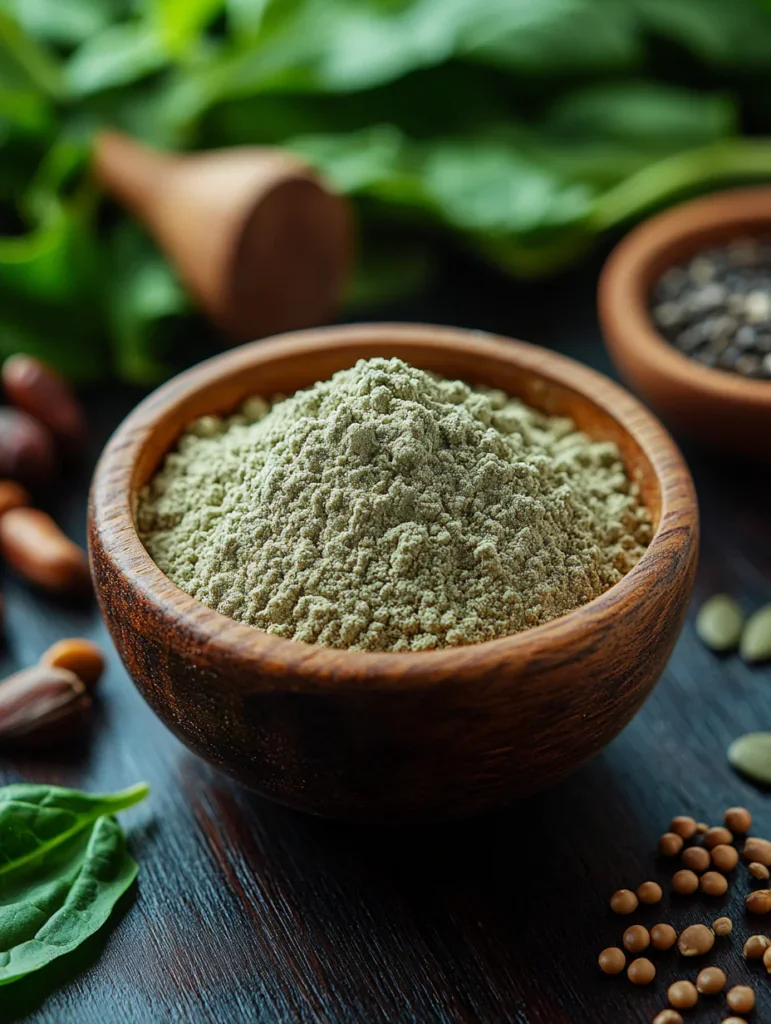
University of Florida extension scientists list red, white and green as the most commonly observed vein colours on kratom leaves and link them to the leaf’s developmental stage. Gold is not among them. In the trade, gold, like yellow, is used as a seller’s label for a powder that has been processed or blended to a warmer shade, and sellers do not all reach it the same way.
A 2025 study in Frontiers in Plant Science found that drying temperature alone could turn powder from the same batch of leaves green or reddish, and that drying and wilting conditions changed alkaloid levels. Two Gold Bali bags from different sellers may share a name and a shade while coming from different leaf and methods.
“Bali” is a long-standing trade name. The European Union Drugs Agency’s 2015 kratom profile used “Bali kratom” as an example of Indonesian leaf sold abroad, but the name is not a guarantee that the leaf grew on the island of Bali itself. Our own product listing, for example, describes our Gold Bali as a blend whose leaf is linked to Borneo, Indonesia, rather than to the island of Bali.
Questions to ask about any Gold Bali listing
Every kratom purchase online calls for the same basic checks. A gold product adds a few extra questions, because the colour comes from steps you cannot see in the powder.
- How the gold shade was reached: does the seller say whether the product is processed to that colour, blended from several powders, or both? If not, ask.
- Origin: does the listing go further than “Bali” or “Southeast Asia”? If it is a blend, does it say where the blended leaf is from?
- Lab certificate: is there one, with a report number, a date and each result printed beside its limit? Look for separate lines for heavy metals and for microbiology such as E. coli and salmonella, since those are measured, not seen.
- Batch number: is it printed on the bag? Without one, a certificate cannot be traced to what you received.
- Claims: treat health or performance promises with caution. Health Canada’s 2018 advisory noted that it had authorized no kratom product for sale as a health product.
- Terms: are shipping, returns and payment set out plainly on the seller’s own site?
A certificate only reports what the lab tested for. If you are concerned about other plant material in a blend, ask the seller what the lab checked and what the blend contains.
Indonesia, where the EUDA said leaf sold abroad was thought most likely to originate, set export standards in 2024 covering microbial contamination, heavy metals and adulteration, according to ANTARA. Those rules apply at export; a certificate for the specific lot is still the most direct way to check what you are buying.
How processing changes a powder: what research shows
Published research on commercial kratom processing is limited; the Frontiers authors describe post-harvest practice as largely undocumented, and sellers’ descriptions of their own methods vary. The study did measure two steps directly:
- Drying temperature. The warmer 60 °C treatment produced a reddish powder, the 25 °C treatment kept the same leaf green, and the cooler treatments retained more mitragynine in their trial. These are measurements from one study, not a ranking of quality.
- Wilting before drying. In the study, a 12-hour wilting period before drying changed the levels of several alkaloids.
Blending is the other route to a gold shade, and it is the one our own listing names: it describes our Gold Bali as combined leaf powders dried and finished to a warmer gold appearance. Whatever the route, the certificate is where moisture and particle size (a sieve check) are reported, along with metals and microbiology.
If you want to see how another processed colour is described and what research can confirm about it, our guide to Yellow Thai kratom covers the yellow side of the family.
Ordering Gold Bali from Kratom Canada
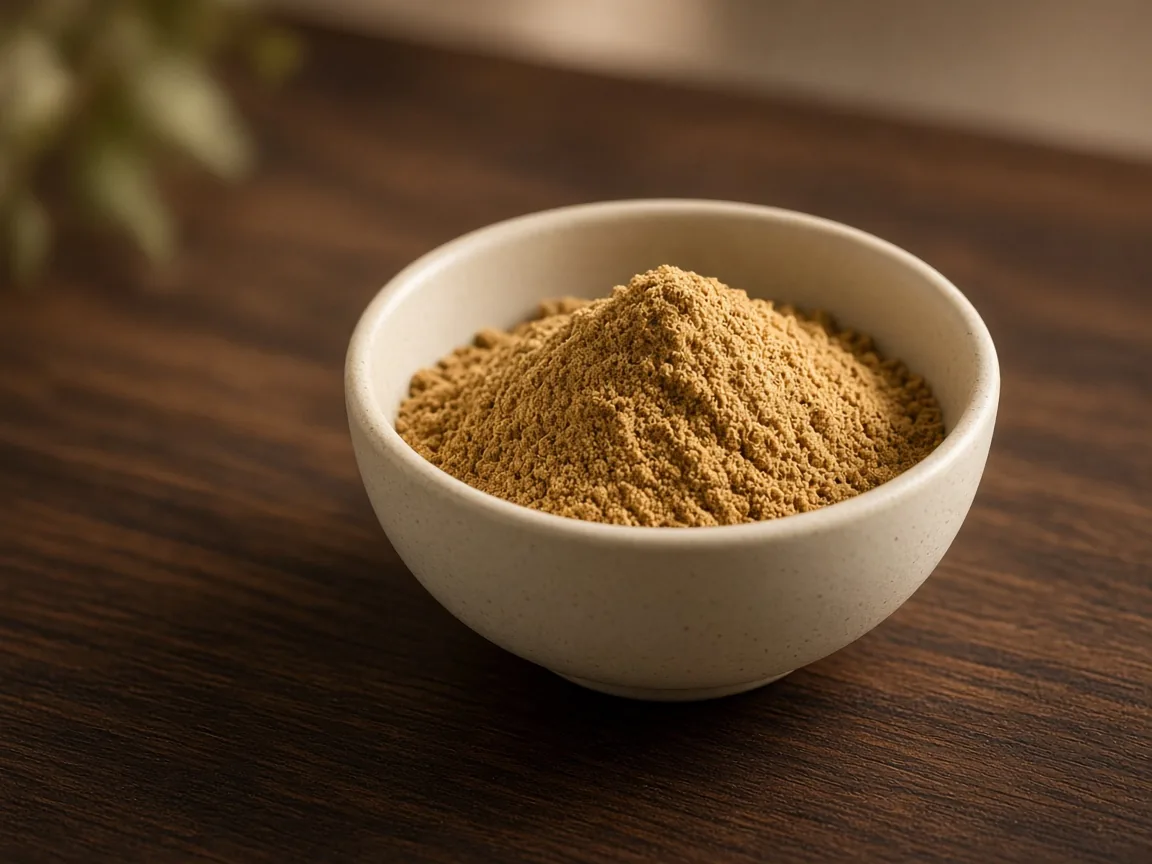
Our Gold Bali is listed in our yellow and gold line, alongside Yellow Thai, Yellow Vietnam and our three named blends. Here is what you can check before ordering:
- Lab certificate: the supplier lot certificate for Gold Bali, with its report number, report date and limits, is on our lab reports page, and our guide to reading lab reports explains each line. A certificate describes one sampled lot on one date.
- What it is: our listing describes it as a gold-finished blend with its leaf linked to Borneo, Indonesia. We make no claims about effects.
- Sizes: bags from 25 g up to 1 kg. If you are not sure how much to order, our pack size guide walks through the options.
- Shipping: Gold Bali leaves our Canadian warehouse the same day when you order on a weekday before noon Pacific; you get tracking by email when it ships, and Canada Post Expedited is free once the subtotal reaches $50. We do not ship outside Canada.
- Payment and returns: checkout takes Interac e-Transfer or cash on delivery through Canada Post. Sealed, unused products can be returned within 30 days for store credit or an exchange; full terms are on our shipping and returns page and in our help centre.
For a shorter product overview with sizes and prices, see our Gold Bali kratom page.