
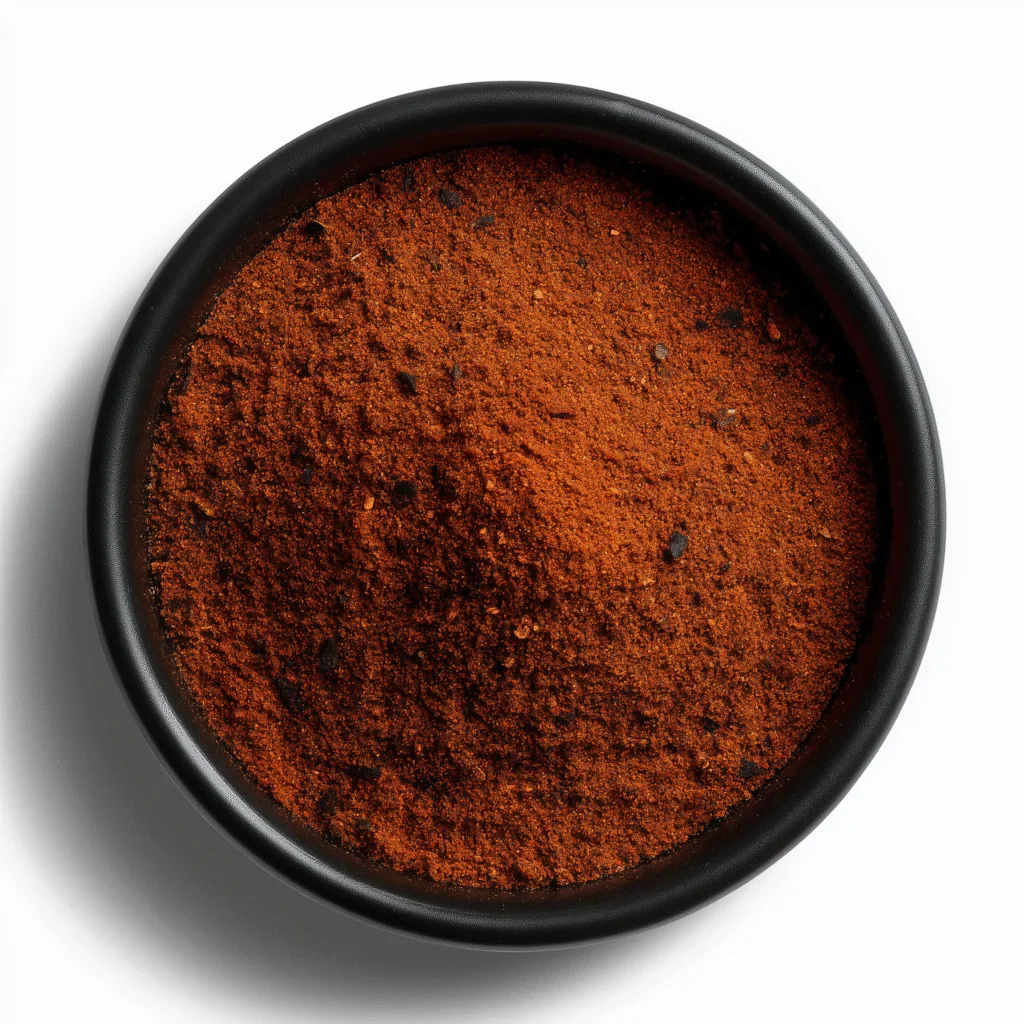
Borneo Red Kratom has been carefully cultivated for centuries in the dense rainforests of Southeast Asia. Distinguished by its deep crimson-colored veins, this strain is closely tied to the tropical landscapes of Borneo, particularly the Indonesian province of Kalimantan. Farming practices in this region have been passed down for generations, with local growers applying their extensive knowledge of the land to produce one of the most respected kratom varieties. Its reputation stems not only from its striking appearance but also from the diverse ecosystem and fertile environment that shape its growth.
From the nutrient-dense rainforest soil that nourishes the Mitragyna speciosa tree to the traditional harvesting and drying techniques designed to preserve its natural integrity, the journey of Borneo Red Kratom reflects both cultural tradition and ecological balance. Farmers rely on sustainable methods to cultivate, harvest, and process the leaves before they are carefully milled into a fine powder for global distribution. For those interested in related strains, Red Hulu Kapuas Kratom, sourced from the Kapuas River region, offers another example of this plant’s diversity.
The Island of Borneo: The Birthplace of Red Kratom
Borneo, the world’s third-largest island, is home to one of the planet’s most diverse and lush ecosystems. Shared by Indonesia, Malaysia, and Brunei, its dense tropical forests shelter countless plant species found nowhere else. Among these is the Mitragyna speciosa tree—better known as kratom. The island’s consistently warm, humid, and rainfall-rich climate creates the perfect conditions for this species to flourish naturally, without the need for artificial cultivation methods. For those exploring additional strains from similar environments, Red Maeng Da Kratom remains a widely respected choice, valued for its refined growing practices and reliable quality.
Within Borneo, the Indonesian province of Kalimantan contains some of the richest concentrations of red vein kratom. Towering kratom trees thrive here, nourished by fertile soil, abundant rainfall, and filtered sunlight from the forest canopy. These natural conditions encourage vigorous growth and ensure that the region remains a central hub for red vein cultivation. The environment not only sustains robust trees but also preserves the traditional character and consistency of kratom harvested from this area. For enthusiasts seeking kratom sourced directly from this heartland, Red Hulu Kapuas Kratom stands out as a premium variety cultivated with care and respect for local tradition.
The Kratom Tree and Red Vein Varieties
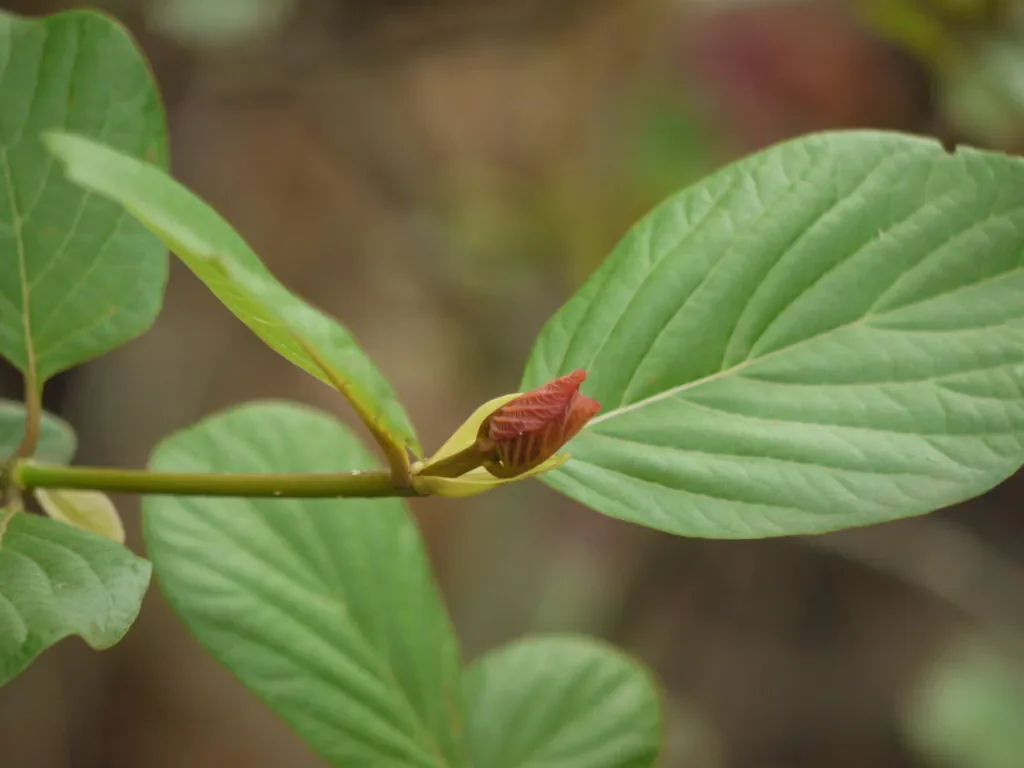
The Mitragyna speciosa tree, a towering evergreen in the coffee family (Rubiaceae), is native to the tropical regions of Southeast Asia. In ideal conditions, it can reach heights of up to 80 feet, with a broad canopy covered in clusters of dark green, glossy leaves. These leaves are the core of kratom cultivation, and their unique physical features serve as key identifiers for farmers and harvesters. Over time, natural variations in leaf vein coloration have been observed, leading to the classification of kratom into three primary vein types: red, green, and white—each named after the distinct vein color that runs along the underside of the leaf.
Borneo Red Kratom is identified by its characteristic reddish vein, a marker of a specific stage in leaf development. This vein color is influenced by a combination of factors, including the age of the tree, the mineral content of the soil, the elevation of the growing region, and the season in which the leaves are harvested. For skilled growers in Southeast Asia, these natural indicators are essential for determining leaf maturity and selecting the right harvest window. By combining visual cues with generational knowledge, farmers ensure that each harvest maintains consistency, potency, and quality, aligned with the natural growth cycle of the plant.
Traditional Cultivation Methods
The majority of Borneo Red Kratom is still cultivated using traditional, organic farming methods passed down through generations. Most production takes place on small, family-owned farms and cooperatives located in the remote interior of the island. Surrounded by dense rainforest, these farms rely on manual labor instead of industrial machinery. Farmers harvest with simple tools such as machetes, transport leaves in woven baskets, and allow the natural environment to guide the trees’ development—keeping the process closely tied to long-standing cultural practices.
Kratom trees are generally shade-grown beneath the protective rainforest canopy, which shields them from harsh sunlight while promoting steady growth. The region’s naturally fertile soil provides ample nutrients, removing the need for synthetic fertilizers. Biodiversity is preserved through natural pollination by insects and wind, maintaining a balanced ecosystem that supports healthy trees. These eco-friendly methods not only protect the rainforest environment but also ensure that kratom cultivation remains sustainable for generations to come.
The Harvesting Process
The harvest of Borneo Red Kratom is a careful process that requires both experience and precision. Farmers typically begin early in the morning, when the cool air and light dew keep the leaves soft and easier to handle. Each leaf is inspected for ripeness, with only the largest and most mature specimens—distinguished by their deep red vein coloration—carefully chosen for collection.
All harvesting is done manually, helping to protect the surrounding foliage and preserve the long-term vitality of the kratom trees. Many growers also align their harvest schedules with seasonal shifts, particularly the monsoon cycles, which play a key role in leaf growth and alkaloid development. After selection, the leaves are bundled and taken to nearby village-based processing centers, where they are cleaned, sorted, and prepared for drying and further refinement.
Washing and Pre-Drying
Before the drying process begins, freshly harvested kratom leaves are carefully washed to remove any surface impurities such as dust, insects, or natural debris. Farmers typically use filtered or well water for this step, ensuring cleanliness while preserving the leaves’ natural qualities. Once rinsed, the leaves are lightly shaken or hand-dried to eliminate excess surface moisture.
The next step is the pre-drying phase, which readies the leaves for extended drying. They are laid out on mesh racks, banana leaves, or woven mats in shaded, well-ventilated areas. This method allows for gradual moisture reduction while ensuring consistent airflow, which helps prevent mold or mildew from forming. Pre-drying usually lasts several hours and plays a crucial role in preparing the leaves for the full drying process, ensuring they retain their quality and integrity.
The Drying Process
The drying stage is one of the most important steps in producing high-quality Borneo Red Kratom powder. After pre-drying, the leaves are placed in controlled settings where they undergo a slow dehydration process. The most common approach involves indoor drying on bamboo racks or within wooden huts, which shields the leaves from harsh sunlight and ensures gradual moisture reduction.
In some cases, leaves may be briefly sun-dried, although this method is usually limited since excessive exposure can change the leaf’s natural coloration. Traditional methods such as dark-room drying or fermentation-style techniques are also used, where leaves are stored in sealed, low-light environments to enhance their deep reddish hue. Depending on local climate and humidity, these processes generally last between two and five days. By the end of this stage, the leaves become brittle and display a rich green-to-red color—clear indicators that they are ready for grinding into fine kratom powder.
Grinding and Powdering
Once drying is complete, the leaves undergo a multi-step transformation into the fine powder known as Borneo Red Kratom. The process begins with an initial crushing stage, where the dried leaves are broken down into smaller pieces using shredders or cutting machines. This step helps prepare the material for smoother grinding and reduces the strain on heavy-duty equipment.
The crushed leaves are then fed into industrial grinders—commonly hammer mills or stone-based systems—that refine them into a consistent, fine powder. After grinding, the powder is sifted to separate out any stems or coarse particles. Many producers take the extra step of filtering the powder through multiple mesh screens to achieve a precise and uniform texture.
To further ensure product safety, some facilities use optional sterilization methods such as heat treatment or ultraviolet light exposure. The finished product is a smooth, olive-green powder, carefully packaged and ready for distribution to global markets.
Packaging and Storage
After grinding, maintaining the stability and quality of Borneo Red Kratom powder becomes the top priority. To safeguard its natural properties, the powder is immediately packaged in airtight, light-resistant pouches, often foil-lined to protect against moisture, oxygen, and UV exposure. This packaging method helps ensure the powder retains its freshness during storage and transport.
In distribution facilities, kratom is stored in cool, dark, climate-controlled environments to prevent temperature fluctuations that could affect potency. Trusted vendors also rely on lot numbering and batch tracking systems, providing traceability and consistent quality control. These practices guarantee that each batch remains uniform from production through delivery, offering customers confidence in product transparency and reliability.
Testing and Quality Control
As kratom continues to enter global markets, quality control has become an essential part of the production and distribution process. Reputable producers routinely submit their batches to independent, third-party laboratories for detailed testing to verify safety and purity. These analyses commonly include microbial screening for contaminants such as E. coli or Salmonella, ensuring the product remains safe for transport and consumption.
In addition to microbial testing, laboratories also conduct heavy metal screening, checking for trace elements like lead, arsenic, and mercury that can be absorbed from the soil. Moisture levels are closely monitored as well, since excess humidity can promote mold growth during storage and shipment. To reinforce consumer confidence, reliable vendors provide Certificates of Analysis (COAs) and follow Good Manufacturing Practices (GMP), demonstrating adherence to international safety and quality standards.
Export and Distribution
Once fully processed, Borneo Red Kratom is prepared for international shipment, with Indonesia serving as the leading exporter in the global kratom trade. The powder is typically shipped in bulk sacks ranging from 25 to 50 kilograms, though smaller pre-portioned pouches are also packaged for direct retail sales.
Before entering international markets, each shipment must be supported by proper customs documentation. This often includes phytosanitary certificates, commercial invoices, and in some cases, Certificates of Analysis (COAs) to verify safety and compliance. To safeguard larger consignments during lengthy transit, some exporters rely on temperature-controlled containers that protect against heat, humidity, and other environmental factors.
Once the product arrives at foreign distribution centers, it is repackaged, labeled, and offered in a variety of formats—such as powder, capsules, or extracts—depending on both local regulations and consumer demand.
Sustainability and Ethical Farming
With global demand for kratom on the rise, the importance of sustainable and responsible cultivation has never been greater. In Borneo, many farmer cooperatives and local organizations are actively working to protect the rainforest ecosystem that sustains kratom production. These initiatives focus on preserving the natural jungle canopy, discouraging deforestation, and promoting shade-grown methods that blend seamlessly with the surrounding environment.
A growing number of farmers are also pursuing organic certifications and implementing eco-friendly land management practices to prevent destructive agricultural expansion. Participation in fair trade programs further ensures that workers receive fair wages and safe working conditions. Beyond protecting the land, these efforts directly benefit local communities by funding schools, healthcare facilities, and infrastructure projects in rural areas where kratom is cultivated.
Challenges in the Industry
Although demand for Borneo Red Kratom continues to rise, the industry faces several ongoing challenges. A primary concern is regulatory uncertainty, as kratom laws vary widely across countries—and even within states or provinces—making international trade unpredictable and difficult to navigate.
Another issue lies in inconsistent quality control, since not all producers follow the same processing or safety standards. Market volatility also impacts farmers, with price fluctuations driven by global demand shifts or political changes affecting the stability of their incomes. Furthermore, the risk of overharvesting poses a threat to long-term sustainability if careful management practices are not observed.
To address these challenges, advocacy groups and farming cooperatives are promoting greater transparency, stronger regulations, and educational initiatives aimed at ensuring both industry stability and environmental preservation.
A Botanical Rooted in Tradition
While Borneo Red Kratom is now distributed worldwide, its origins remain deeply rooted in tradition, culture, and respect for nature. For the farming communities of Borneo, kratom represents more than an agricultural product—it is a vital part of daily rural life. Every stage of its development, from planting seedlings to producing fine powder, follows practices that have been preserved through generations.
From the towering trees that thrive beneath the rainforest canopy to the carefully milled powder prepared for export, the journey of Borneo Red Kratom reflects a delicate balance between human dedication and the natural environment. Long before it is packaged for consumers, it begins as a simple leaf—nourished by fertile soil, tropical rainfall, and the skilled hands of those who have cultivated it for centuries.
Where to Buy Borneo Red Kratom in Canada
For consumers in Canada, Borneo Red Kratom is available through a number of reputable vendors, both online and at select retail outlets. Since kratom remains legal at the federal level in Canada (at the time of writing), buyers have access to an expanding marketplace of suppliers offering lab-tested, high-quality kratom products. Trusted vendors such as Kratom Canada provide a wide selection of strains, complete with transparent labeling and fast, reliable domestic shipping, making it easier for Canadians to shop with confidence.
1. Kratom Canada
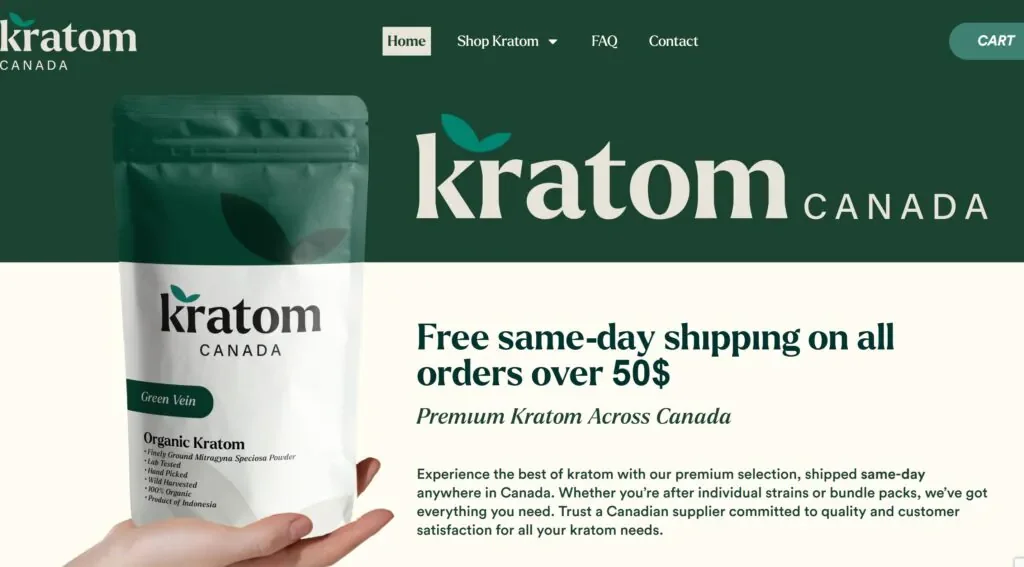
Purchasing kratom online provides the widest variety of strains, along with discreet delivery and access to transparent lab testing. When choosing a vendor, it’s important to look for suppliers that:
- Operate within Canada or ship directly from Canadian warehouses to prevent customs delays
- Provide Certificates of Analysis (COAs) or independent third-party lab test results
- Include batch numbers and detailed product descriptions for full transparency
- Maintain strong customer support and have consistently positive buyer reviews
Some well-known online vendors serving Canadian customers include:
- Canada Kratom Express
- Authentic Kratom Canada
- Kratom Source Canada
Here is the top list of vendors that sell kratom with their rating and review:- Top vendor to sell Kratom in Canada.
Important: Always confirm the latest kratom legal status and import regulations in your region before making a purchase.
2. Local Head Shops and Herbal Stores
In certain provinces—particularly in major cities such as Toronto, Vancouver, and Montreal—you may find Borneo Red Kratom available in head shops, smoke shops, or specialty herbal supplement stores. However, in-store selections are usually more limited than online options, and prices can vary depending on the retailer.
When purchasing kratom locally, always make sure that:
- The product is clearly labeled with its strain name and country of origin
- Packaging is sealed and has not been tampered with or repackaged
- The retailer follows basic health and safety practices in handling products
3. What to Consider When Buying
Key Considerations When Buying Borneo Red Kratom in Canada
Before purchasing Borneo Red Kratom in Canada, it’s important to pay attention to factors such as:
- Shipping times – delivery may take longer in remote or rural regions
- Return policies – review vendor terms to ensure fair options if an issue arises
- Minimum order requirements – some suppliers set purchase thresholds for bulk or discounted pricing
- Product freshness – check for recent harvest dates or batch details to confirm quality